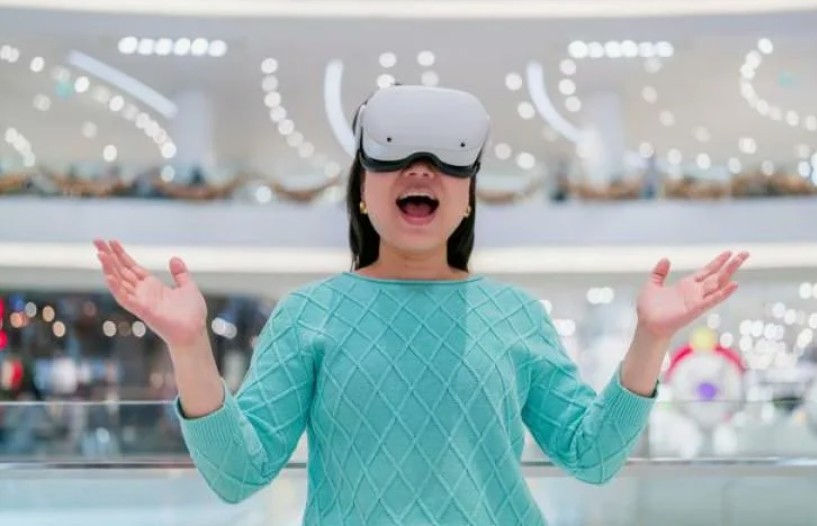
Why Shopping Malls Are Betting Big on the VR Entertainment Business
How Retail Centers Are Reinventing Experiential Spaces
Traditional shopping centers across the globe are facing an urgent need to redefine their core attractions as digital e-commerce continues to reshape consumer habits. Modern developers are steadily moving away from reliance on anchor department stores in favor of dynamic, experience-driven concepts. Integrating a modern VR Entertainment Business into underutilized retail zones provides property owners with an immediate boost in visitor engagement. Specialized platforms like business vr club demonstrate how interactive venues convert casual shoppers into active participants through immersive multiplayer software. Rather than merely browsing store shelves, visitors now seek memorable group activities that cannot be replicated at home. By transforming vacant floor space into vibrant digital arenas, commercial landlords successfully revitalize physical foot traffic while creating new revenue streams.
Driving Foot Traffic
Consumer behavior has shifted dramatically over the past decade toward social activities that combine technology with real-world interaction. Families and teenage groups actively look for fresh weekend activities that offer emotional engagement. A well-designed VR Entertainment Business acts as a powerful anchor that draws visitors from surrounding residential districts into the mall environment. Once on-site, these guests naturally patronize nearby food courts, cafes, and retail boutiques.
Industry reports indicate that commercial centers hosting interactive technology zones experience a twenty-five percent increase in average visitor dwell time compared to standard retail layouts.
Extended stays directly translate to higher overall spending across all tenant categories within the complex. Landlords recognize this symbiotic relationship and frequently offer flexible leasing structures to attract innovative technology operators.
Space Optimization
Vacant store units often present serious aesthetic and financial challenges for commercial real estate managers. Converting these empty units into traditional movie theaters or bowling alleys demands extensive physical remodeling and huge capital investments. Interactive digital installations, however, require remarkably minimal structural alteration to become fully functional gaming arenas.
Advantages for Retail Landlords
- Rapid installation timelines requiring minimal permanent architectural modifications to the lease space.
- High guest throughput per square meter through efficient multiplayer session management.
- Flexible spatial layouts that easily adjust to changing tenant floor plans.
- Strong appeal across broad demographic groups ranging from children to corporate teams.
Modular tracking systems allow operators to configure play areas inside virtually any room layout. This inherent spatial flexibility speeds up the onboarding process for new commercial tenants dramatically.
Cross-Demographic Engagement
Building a resilient tenant mix requires capturing diverse audience segments that visit commercial centers at different times of the week. Older adults often shop during morning hours, whereas younger audiences flock to commercial hubs during evenings and weekends. Operating a flexible VR Entertainment Business allows owners to tailor software offerings precisely to match these shifting customer demographics.
Surveys reveal that over sixty percent of participants in location-based digital experiences return with friends or family members within two months of their initial visit.
Educational simulations and gentle virtual tours appeal strongly to family groups during afternoon hours. Later in the evening, action-oriented competitive games attract teenagers and young adults seeking active social entertainment.
The Future of Retail Spaces
Physical commercial centers are no longer just places to purchase goods; they are evolving into lifestyle destinations centered around shared experiences. Integrating interactive media bridges the gap between digital convenience and physical social connection seamlessly. A forward-thinking VR Entertainment Business provides the exact level of novelty required to keep urban shopping districts relevant in a digital-first economy.
Property developers who embrace this technological transformation are positioning their venues for long-term commercial success. By combining retail, dining, and cutting-edge digital recreation under one roof, modern shopping centers ensure steady foot traffic and lasting consumer loyalty for years to come.
Author