Banish Water Spots Forever The Ultimate Guide to a Pristine Car Finish
Water spots are a common frustration for car owners‚ marring the pristine finish of an otherwise clean vehicle. These unsightly blemishes occur when mineral-rich water evaporates from your car’s surface‚ leaving behind deposits that can etch into the paintwork or glass over time; Understanding the causes and implementing the correct removal techniques is crucial for maintaining your vehicle’s aesthetic appeal and preserving its finish. Fortunately‚ with the right approach and a little effort‚ you can effectively remove these spots and restore your car’s showroom shine.
Understanding the Nature of Vehicle Water Spot Formation
Why Do Water Spots Appear on Your Car?
Water spots are primarily composed of mineral deposits like calcium‚ magnesium‚ and other dissolved solids left behind after water droplets dry. Hard water‚ which is rich in these minerals‚ is a major culprit. When sunlight hits these water droplets‚ it accelerates the evaporation process‚ concentrating the minerals and causing them to bond to your car’s surface. Over time‚ these minerals can chemically etch into the clear coat‚ creating more permanent damage known as “etched water spots.” Environmental factors‚ such as sprinklers‚ rain‚ or improper washing techniques‚ frequently contribute to their development. Identifying the type of water spot is the first step towards successful removal.
Types of Water Spots and Their Removal Approaches
| Water Spot Type | Characteristics | Recommended Removal Method |
|---|---|---|
| Light/Fresh Water Spots | Appear as faint rings or smudges; haven’t bonded deeply. | Detailer spray‚ quick detailer‚ or mild vinegar solution. |
| Medium Water Spots | More noticeable‚ slightly chalky residue; might feel slightly rough. | Dedicated water spot remover‚ clay bar treatment. |
| Etched Water Spots | Visibly embedded into the clear coat; can feel rough or pitted. | Polishing compounds‚ professional paint correction‚ or specialized acidic removers. |
Gathering Essential Tools and Products for Water Spot Eradication
To effectively remove water spots‚ you’ll need a specific array of tools and cleaning agents. Using the right products ensures safety for your vehicle’s finish while maximizing effectiveness. Incorrect products or abrasive materials can cause further damage‚ necessitating more extensive repairs.
Key Supplies You’ll Need:
- Two clean microfiber towels (one for application‚ one for buffing)
- Spray bottle (for water or diluted solutions)
- Automotive-specific detailer spray or quick detailer
- Distilled white vinegar
- Dedicated water spot remover (acidic cleaner‚ if necessary)
- Car wash soap (pH-neutral)
- Detailing clay bar and lubricant (for tougher spots)
- Car wax or sealant (for protection)
A Step-by-Step Guide to Removing Light Water Spots
Method for Fresh and Minor Blemishes:
For light or recent water spots‚ a simple and gentle approach is often sufficient. Always work on a cool surface‚ preferably in the shade‚ to prevent solutions from drying too quickly.
- Wash the Vehicle: Begin by thoroughly washing your car with a pH-neutral car soap to remove any loose dirt and contaminants. This prevents scratching during the spot removal process. Rinse thoroughly and dry with a clean microfiber towel.
- Prepare the Solution: For a mild approach‚ mix equal parts distilled white vinegar and distilled water in a spray bottle. Vinegar’s mild acidity helps dissolve mineral deposits without harming your clear coat‚ but test on an inconspicuous area first.
- Apply to a Small Section: Spray the diluted vinegar solution or your chosen quick detailer directly onto a small‚ affected area. Let it dwell for 30-60 seconds‚ allowing it to penetrate the mineral deposits. Do not let it dry on the surface.
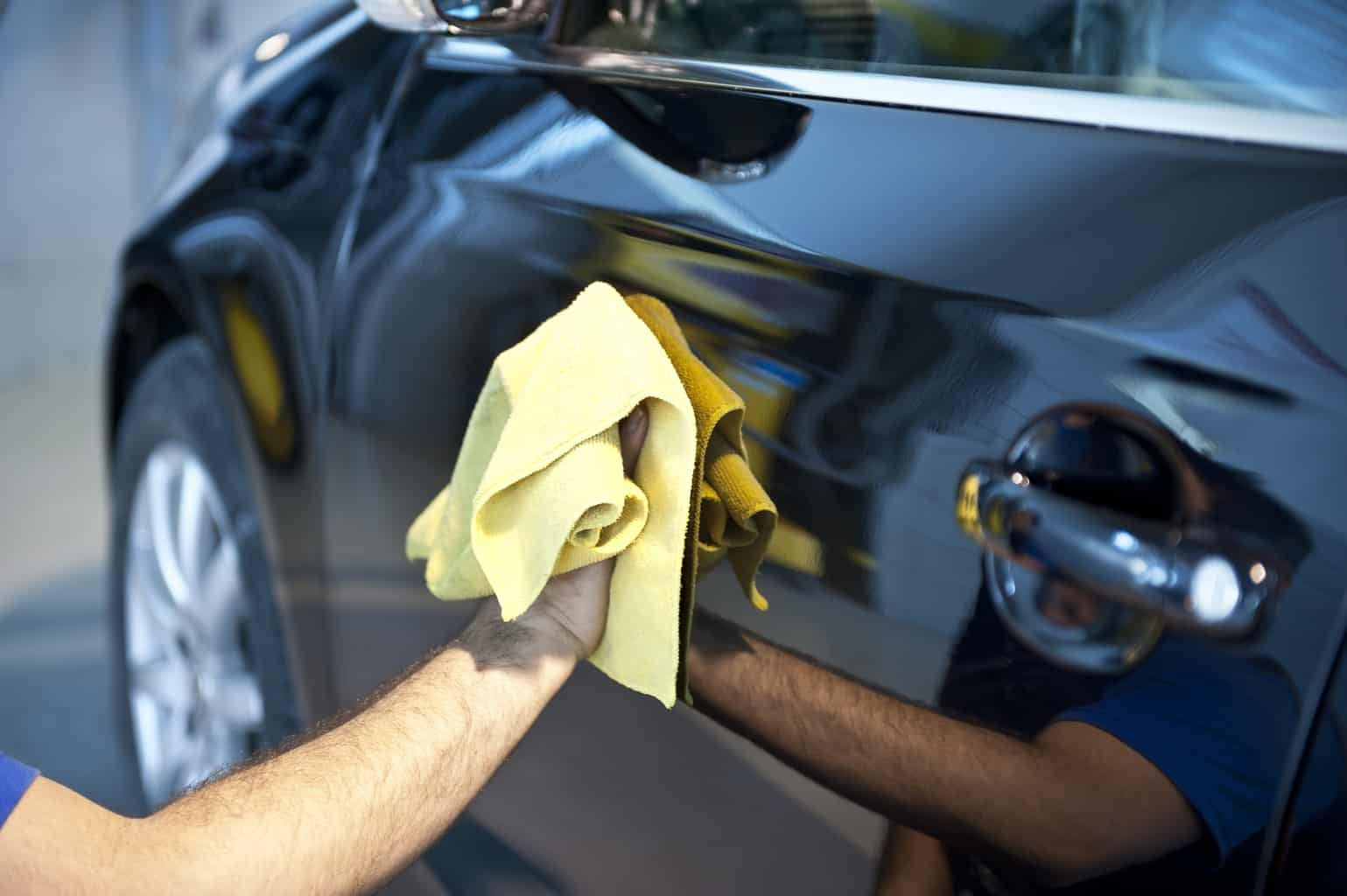
- Wipe Away: Gently wipe the area with a clean‚ soft microfiber towel. Apply light pressure‚ working in straight lines. Flip the towel frequently to a clean side.
- Rinse and Dry: Immediately rinse the treated section with clean water to neutralize any remaining acid. Dry the area completely with a fresh‚ dry microfiber towel.
- Inspect and Repeat: Check the treated area for remaining spots. If necessary‚ repeat the process. For persistent spots‚ consider moving to a dedicated water spot remover.
Advanced Techniques for Tackling Stubborn Etched Water Spots
When water spots have had time to etch into the clear coat‚ a more aggressive‚ yet still careful‚ approach is required. These methods involve products designed to safely remove a microscopically thin layer of the clear coat or chemically dissolve stubborn minerals.
Using a Dedicated Water Spot Remover:
Specialized water spot removers are formulated with mild acids that are stronger than vinegar but safe for automotive paint. Apply a small amount of the product to a microfiber applicator pad. Gently rub it onto the affected area in a small section‚ using light pressure. Allow it to work for the time specified by the manufacturer‚ usually under a minute. Immediately wipe away the residue with a clean‚ damp microfiber towel‚ then rinse thoroughly with water and dry. Always follow product instructions meticulously and wear protective gloves.
The Clay Bar Method:
A clay bar can physically lift mineral deposits and other contaminants that are bonded to the paint surface. After washing your car‚ spray a clay lubricant onto a small area. Gently glide the clay bar across the lubricated surface. The clay will pick up contaminants‚ including water spot residues. Fold the clay frequently to expose a clean surface. Buff the area with a clean microfiber towel afterwards. This method is effective for removing surface-level deposits and preparing the paint for polishing.
Polishing for Etched Spots:
For deeply etched water spots where the clear coat itself has been damaged‚ paint correction via polishing may be necessary. This process involves using an automotive polisher and a mild abrasive compound to carefully remove a microscopic layer of the clear coat‚ thereby leveling the surface and eliminating the etching. This is a more advanced technique and‚ if you’re not experienced‚ it’s often best left to professional detailers. Improper polishing can cause swirls or burn through the clear coat.
Proactive Measures: Preventing Future Water Spots on Your Vehicle
Prevention is always better than cure. By adopting good habits‚ you can significantly reduce the likelihood of water spots forming on your car.
- Wash in the Shade: Always wash your car in the shade or on a cloudy day to prevent water from drying too quickly on the surface.
- Dry Immediately: Use a high-quality drying towel or a leaf blower to dry your car immediately after rinsing‚ ensuring no water is left to evaporate.
- Use Deionized Water: If possible‚ consider installing a deionizer for your wash water‚ which removes minerals and helps prevent spots.
- Apply Protection: Regularly apply a wax‚ sealant‚ or ceramic coating. These products create a hydrophobic barrier that repels water‚ making it bead up and roll off‚ reducing drying time and mineral adhesion.
- Address Sprinklers: Be mindful of automatic sprinklers. Park your car away from their spray patterns‚ especially if they use hard water.
Frequently Asked Questions About Water Spot Removal
Q: Are water spots permanent?
A: Not necessarily. Light water spots are usually easy to remove. However‚ if left untreated‚ minerals can etch into the clear coat‚ making them much harder to remove and potentially permanent without paint correction.
Q: Can I use household cleaners like glass cleaner for water spots?
A: While some glass cleaners might temporarily clean the surface‚ they are not formulated to dissolve mineral deposits effectively and can contain ammonia or other chemicals that might be harmful to painted surfaces over time. It’s best to use automotive-specific products or diluted vinegar.
Q: Is vinegar safe for car paint?
A: Yes‚ diluted white distilled vinegar (50/50 with water) is generally safe for car paint when used properly and rinsed thoroughly. Its mild acidity helps break down mineral deposits. However‚ avoid letting it dry on the paint or using it on unpainted trim for extended periods.
Q: How often should I remove water spots?
A: It’s best to remove water spots as soon as you notice them. The longer they sit‚ the more difficult they become to remove and the higher the risk of etching. Regular washing and drying‚ combined with protective coatings‚ can minimize their occurrence.
Q: When should I consider professional detailing for water spots?
A: If you have severe‚ deeply etched water spots that don’t respond to dedicated water spot removers or claying‚ professional detailing might be necessary. They have access to advanced tools and compounds for paint correction that can safely remove etching.
Effectively removing water spots from your vehicle is a critical step in preserving its appearance and the integrity of its paintwork. By understanding the different types of spots and employing the appropriate tools and techniques‚ you can restore your car’s shine and prevent long-term damage. Whether dealing with fresh blemishes or more stubborn etching‚ patience and the correct products are key to achieving a flawless finish. Moreover‚ implementing preventative measures such as washing in the shade and applying protective coatings will significantly reduce future occurrences. Consistent care and attention will ensure your vehicle remains a source of pride‚ reflecting light rather than unsightly mineral deposits.
Author
