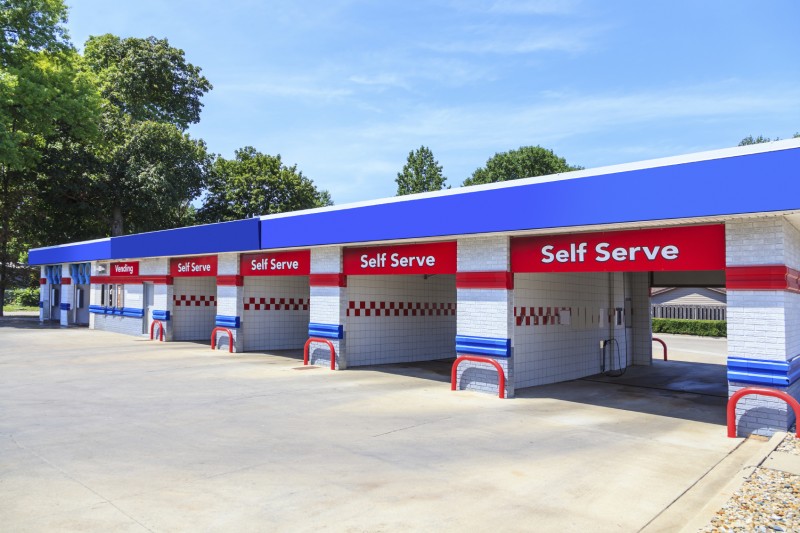
do it yourself car wash
Maintaining the pristine appearance of your vehicle is a source of pride for many car owners. While professional car washes offer convenience‚ the satisfaction and control gained from a do-it-yourself car wash are unparalleled. This approach allows you to meticulously clean every nook and cranny‚ often resulting in a superior shine and a deeper connection with your automobile. Embracing the DIY method not only saves money in the long run but also provides an opportunity to inspect your vehicle for minor issues you might otherwise miss.
Why Opt for a Do-It-Yourself Car Wash Experience?
Choosing to wash your car yourself offers a multitude of benefits beyond mere cost savings. It provides an excellent opportunity for thorough cleaning‚ allowing you to pay close attention to specific areas like wheels‚ trim‚ and intricate body lines that might be overlooked by automated systems. Furthermore‚ selecting your own high-quality products can protect your paint finish more effectively than harsh chemicals used in some commercial washes. The process itself can be quite therapeutic‚ turning a chore into a rewarding activity.
| Feature | DIY Car Wash | Automatic Car Wash |
|---|---|---|
| Cost per Wash | Low (initial investment in supplies) | Moderate to High |
| Thoroughness | High (owner’s discretion) | Variable (can miss spots) |
| Paint Safety | High (gentle methods & products) | Variable (potential for swirl marks from brushes) |
| Time Commitment | Moderate (30-60 minutes) | Low (5-15 minutes) |
| Control Over Products | Complete | None |
| Environmental Impact | Can be controlled (biodegradable soaps‚ water usage) | Varies by facility |
Essential Tools and Supplies for Your Home Car Wash
Gathering Your Arsenal
Before you begin‚ gathering the right tools is crucial for an effective and scratch-free wash. Investing in quality products will not only yield better results but also protect your vehicle’s finish over time. Having everything at hand prevents interruptions and ensures a smooth washing process.
- Two large buckets (one for soap‚ one for rinsing your wash mitt)
- Dedicated car wash soap (pH-neutral is best)
- Microfiber wash mitt or sponge
- Garden hose with a spray nozzle
- Several clean‚ soft microfiber drying towels
- Wheel cleaner and dedicated wheel brush
- Tire dressing
- Optional: Clay bar kit‚ wax or sealant‚ glass cleaner
Step-by-Step: Achieving a Professional Finish with Your DIY Car Wash
The Washing Process
Follow these steps for a brilliant‚ streak-free shine. Remember to work on a cool surface‚ preferably in the shade‚ to prevent soap and water from drying too quickly and leaving water spots.
- Pre-Rinse: Thoroughly rinse your entire vehicle from top to bottom with a strong stream of water. This removes loose dirt and debris‚ minimizing the risk of scratching the paint during washing.
- Prepare Soap Solution: Fill one bucket with water and the recommended amount of car wash soap. Fill the second bucket with clean water for rinsing your wash mitt.
- Wash from Top Down: Dip your microfiber mitt into the soapy water. Starting from the roof and working your way down‚ gently wash one section at a time. After each section‚ rinse your mitt in the clean water bucket to remove trapped dirt‚ then re-dip into the soap bucket.
- Clean Wheels and Tires: Apply wheel cleaner to cool wheels. Let it dwell for the recommended time‚ then agitate with a wheel brush. Rinse thoroughly. This should be done after the main body wash to prevent splashing dirt onto clean paint.
- Final Rinse: Once the entire car is washed‚ give it a comprehensive rinse from top to bottom. Use a gentle‚ sheet-like flow of water to help sheet off excess water‚ aiding in the drying process.
- Dry Thoroughly: Immediately dry the car using clean‚ soft microfiber drying towels. Starting from the top‚ gently blot or drag the towel across the surface. Avoid air drying‚ as this often leads to water spots.
- Apply Protection (Optional): For an extra layer of shine and protection‚ apply a quality wax or sealant according to the product instructions. This helps protect the paint from environmental contaminants and makes future washes easier.
Advanced Tips for a Flawless Finish
To elevate your do-it-yourself car wash game‚ consider implementing a few advanced techniques. The two-bucket method‚ as described above‚ is paramount for preventing swirl marks. For particularly stubborn contaminants like tar or tree sap‚ a clay bar can safely remove embedded dirt that washing alone cannot. Don’t forget the often-overlooked details; clean your windows with a dedicated glass cleaner for crystal-clear visibility‚ and apply a tire dressing to make your tires look new. A small detail brush can reach into emblems and grilles for a truly spotless finish.
Frequently Asked Questions About DIY Car Washing
Before you begin‚ gathering the right tools is crucial for an effective and scratch-free wash. Investing in quality products will not only yield better results but also protect your vehicle’s finish over time. Having everything at hand prevents interruptions and ensures a smooth washing process.
- Two large buckets (one for soap‚ one for rinsing your wash mitt)
- Dedicated car wash soap (pH-neutral is best)
- Microfiber wash mitt or sponge
- Garden hose with a spray nozzle
- Several clean‚ soft microfiber drying towels
- Wheel cleaner and dedicated wheel brush
- Tire dressing
- Optional: Clay bar kit‚ wax or sealant‚ glass cleaner
Step-by-Step: Achieving a Professional Finish with Your DIY Car Wash
The Washing Process
Follow these steps for a brilliant‚ streak-free shine. Remember to work on a cool surface‚ preferably in the shade‚ to prevent soap and water from drying too quickly and leaving water spots.
- Pre-Rinse: Thoroughly rinse your entire vehicle from top to bottom with a strong stream of water. This removes loose dirt and debris‚ minimizing the risk of scratching the paint during washing.
- Prepare Soap Solution: Fill one bucket with water and the recommended amount of car wash soap. Fill the second bucket with clean water for rinsing your wash mitt.
- Wash from Top Down: Dip your microfiber mitt into the soapy water. Starting from the roof and working your way down‚ gently wash one section at a time. After each section‚ rinse your mitt in the clean water bucket to remove trapped dirt‚ then re-dip into the soap bucket.
- Clean Wheels and Tires: Apply wheel cleaner to cool wheels. Let it dwell for the recommended time‚ then agitate with a wheel brush. Rinse thoroughly. This should be done after the main body wash to prevent splashing dirt onto clean paint.
- Final Rinse: Once the entire car is washed‚ give it a comprehensive rinse from top to bottom. Use a gentle‚ sheet-like flow of water to help sheet off excess water‚ aiding in the drying process.
- Dry Thoroughly: Immediately dry the car using clean‚ soft microfiber drying towels. Starting from the top‚ gently blot or drag the towel across the surface. Avoid air drying‚ as this often leads to water spots.
- Apply Protection (Optional): For an extra layer of shine and protection‚ apply a quality wax or sealant according to the product instructions. This helps protect the paint from environmental contaminants and makes future washes easier.
Advanced Tips for a Flawless Finish
To elevate your do-it-yourself car wash game‚ consider implementing a few advanced techniques. The two-bucket method‚ as described above‚ is paramount for preventing swirl marks. For particularly stubborn contaminants like tar or tree sap‚ a clay bar can safely remove embedded dirt that washing alone cannot. Don’t forget the often-overlooked details; clean your windows with a dedicated glass cleaner for crystal-clear visibility‚ and apply a tire dressing to make your tires look new. A small detail brush can reach into emblems and grilles for a truly spotless finish.
Frequently Asked Questions About DIY Car Washing
Follow these steps for a brilliant‚ streak-free shine. Remember to work on a cool surface‚ preferably in the shade‚ to prevent soap and water from drying too quickly and leaving water spots.
- Pre-Rinse: Thoroughly rinse your entire vehicle from top to bottom with a strong stream of water. This removes loose dirt and debris‚ minimizing the risk of scratching the paint during washing.
- Prepare Soap Solution: Fill one bucket with water and the recommended amount of car wash soap. Fill the second bucket with clean water for rinsing your wash mitt.
- Wash from Top Down: Dip your microfiber mitt into the soapy water. Starting from the roof and working your way down‚ gently wash one section at a time. After each section‚ rinse your mitt in the clean water bucket to remove trapped dirt‚ then re-dip into the soap bucket.
- Clean Wheels and Tires: Apply wheel cleaner to cool wheels. Let it dwell for the recommended time‚ then agitate with a wheel brush. Rinse thoroughly. This should be done after the main body wash to prevent splashing dirt onto clean paint.
- Final Rinse: Once the entire car is washed‚ give it a comprehensive rinse from top to bottom. Use a gentle‚ sheet-like flow of water to help sheet off excess water‚ aiding in the drying process.
- Dry Thoroughly: Immediately dry the car using clean‚ soft microfiber drying towels. Starting from the top‚ gently blot or drag the towel across the surface. Avoid air drying‚ as this often leads to water spots.
- Apply Protection (Optional): For an extra layer of shine and protection‚ apply a quality wax or sealant according to the product instructions. This helps protect the paint from environmental contaminants and makes future washes easier.
Advanced Tips for a Flawless Finish
To elevate your do-it-yourself car wash game‚ consider implementing a few advanced techniques. The two-bucket method‚ as described above‚ is paramount for preventing swirl marks. For particularly stubborn contaminants like tar or tree sap‚ a clay bar can safely remove embedded dirt that washing alone cannot. Don’t forget the often-overlooked details; clean your windows with a dedicated glass cleaner for crystal-clear visibility‚ and apply a tire dressing to make your tires look new. A small detail brush can reach into emblems and grilles for a truly spotless finish.
Frequently Asked Questions About DIY Car Washing
Q: How often should I wash my car myself?
A: It largely depends on your driving conditions and environment. Generally‚ washing your car every 1-2 weeks is a good practice to prevent dirt and contaminants from accumulating and damaging the paint.
Q: Can I use dish soap to wash my car?
A: No‚ it is strongly advised against using dish soap. Dish soap is designed to strip grease and oil‚ which means it will strip away your car’s wax or sealant protection‚ potentially leading to dull paint and faster degradation.
Q: What’s the best way to prevent water spots?
A: To prevent water spots‚ always wash your car in the shade or on a cool day. Dry the car immediately and thoroughly with high-quality microfiber drying towels. Using deionized water or a rinseless wash product can also help.
Q: Is it safe to wash my car’s engine bay?
A: While it’s possible‚ it requires caution. Avoid directly spraying sensitive electronic components. Cover them with plastic bags‚ use a gentle degreaser‚ and rinse lightly. If unsure‚ it’s best left to professionals.
Q: How can I make my tires shine?
A: After cleaning your wheels and tires‚ apply a quality tire dressing. Choose between a glossy or matte finish based on your preference. Apply evenly with an applicator pad for a clean‚ long-lasting shine.
Taking the time to perform a do-it-yourself car wash is a rewarding endeavor that extends beyond just cleaning your vehicle. It offers an opportunity for meticulous care‚ often resulting in a superior shine and better protection for your paintwork. By following proper techniques and utilizing the right tools‚ you can achieve professional-level results right in your driveway. This hands-on approach builds a deeper appreciation for your car and ensures it remains a source of pride for years to come. Embrace the satisfaction of a job well done and enjoy your beautifully maintained vehicle.
Author
