How to Drive an Automatic Car
For many aspiring drivers, the thought of navigating traffic can be daunting, but an automatic car significantly simplifies the learning process; These vehicles eliminate the need for a clutch pedal and manual gear changes, allowing drivers to focus more on the road and less on complex mechanics. This guide will walk you through everything you need to know about how to drive an automatic car, from understanding its basic controls to confidently maneuvering in various situations. It’s a straightforward journey that opens up a world of driving convenience, making your initial experiences behind the wheel much smoother.
Understanding Your Automatic Vehicle
Before you even think about getting on the road, it’s crucial to familiarize yourself with the fundamental components of an automatic car. Unlike manual vehicles, automatic transmissions handle gear shifts on their own, adapting to your speed and engine load. This design removes the need for a third pedal, simplifying the footwork required during driving.
Key Controls and Their Functions
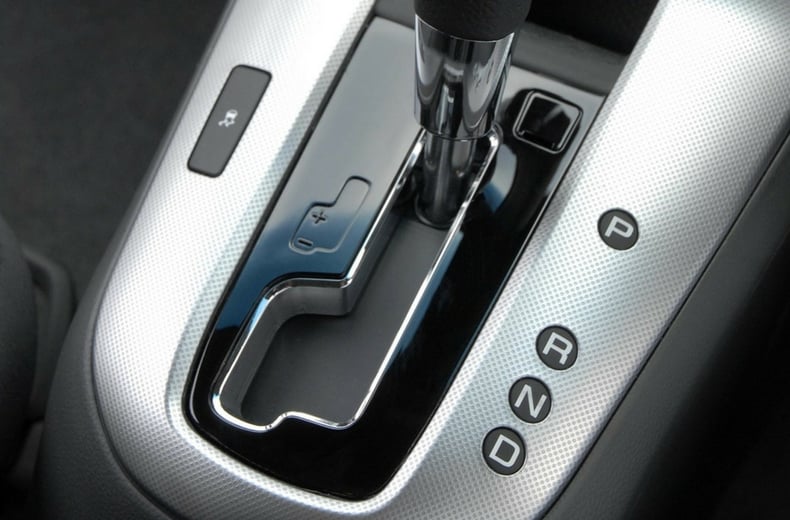
The gear selector in an automatic car typically features several essential positions, each serving a distinct purpose. Understanding these is foundational for safely operating your vehicle.
- P (Park): This position locks the transmission, preventing the wheels from turning. Always engage ‘P’ when parking your car and turning off the engine.
- R (Reverse): Select ‘R’ to move the car backward.
- N (Neutral): In ‘N’, the engine is disconnected from the wheels, allowing the car to roll freely. Use this for short stops or when the car needs to be pushed.
- D (Drive): This is the primary driving mode, enabling the car to move forward and automatically shift through gears.
- L (Low) or S (Sport/Second): Some automatic cars feature additional modes like ‘L’ or ‘S’. ‘L’ keeps the car in a lower gear for more engine braking on steep descents, while ‘S’ offers a sportier driving experience with higher revs and quicker acceleration.
Beyond the gear selector, your feet will only interact with two pedals:
- Brake Pedal: Located on the left, this larger pedal is used to slow down or stop the car.
- Accelerator Pedal: Positioned on the right, this smaller pedal controls the car’s speed by regulating fuel flow to the engine.
It is vital to remember to use only your right foot for both of these pedals. This prevents accidental simultaneous pressing of both, which can be extremely dangerous.
Step-by-Step Guide to Driving an Automatic Car
Once you understand the basic controls, the process of driving an automatic car becomes incredibly intuitive. Follow these steps carefully to ensure a safe and smooth experience.
Starting the Engine Safely
Every journey begins with a proper start. Take your time to get comfortable and prepare the vehicle.
- Adjust and Secure: First, adjust your seat, steering wheel, and mirrors for optimal visibility and comfort. Fasten your seatbelt securely.
- Foot on Brake: Place your right foot firmly on the brake pedal. This is a critical safety measure, ensuring the car doesn’t lurch forward unexpectedly;
- Check Gear Selector: Confirm that the gear selector is in ‘P’ (Park) or ‘N’ (Neutral). Most automatic cars will not start if the selector is in any other position.
- Start Engine: Insert the key and turn it to the ‘START’ position, or press the engine start/stop button. The engine will come to life.
- Release Parking Brake: Disengage the parking brake (handbrake) once the engine is running.
Getting Moving and Driving Techniques
With the engine running, you’re ready to set off. Remember to make smooth, controlled movements.
With your foot still on the brake, shift the gear selector from ‘P’ to ‘D’ (Drive). Slowly and gently lift your foot off the brake pedal. The car will begin to creep forward on its own, a characteristic known as ‘idle creep’. To increase your speed, gently press the accelerator pedal. Apply smooth, gradual pressure rather than sudden jabs. When you need to slow down or stop, smoothly press the brake pedal. Anticipate stops and brake progressively. Always maintain a safe following distance from the vehicle in front of you and use your turn signals well in advance of any turns or lane changes. Steering an automatic car is no different from any other vehicle; look where you want to go and guide the steering wheel accordingly.
Parking Your Automatic Car
Parking an automatic car is straightforward. The key is to secure the vehicle properly.
As you approach your parking spot, slow down and signal your intention. Bring the car to a complete stop using the brake pedal. Once stopped, with your foot still on the brake, shift the gear selector to ‘P’ (Park). If you need to reverse into a spot, shift to ‘R’ (Reverse) before moving to ‘P’. Engage the parking brake to add an extra layer of security. Finally, turn off the engine and remove the key.
Advantages of Driving an Automatic Transmission
Choosing an automatic car offers several benefits, particularly for new drivers or those frequently navigating congested urban environments. These advantages contribute significantly to a more relaxed and focused driving experience.
| Feature | Description |
|---|---|
| Simplicity | No clutch pedal to manage and no manual gear changes, making the operation much simpler for beginners. |
| Ease in Traffic | Less tiring in stop-and-go conditions, as you don’t constantly operate a clutch and shift gears. |
| Smoother Ride | Gear shifts are often seamless and automatic, resulting in a more comfortable and less jerky journey. |
| Focus on Road | Allows drivers to concentrate more on traffic, road conditions, and surroundings rather than shifting gears. |
| Easier Hill Starts | Generally simpler to start on inclines without the risk of rolling back, as the car doesn’t need clutch control. |
Essential Tips for New Automatic Drivers
Write a quality, in-depth, magazine-style article on the topic:
Write in English
Use a clickbait and catchy headline. Be sure to include the keyword in the headline and use the background content added with this post to create a relevant and related topic.
Make sure the text is written in a journalistic, professional, and engaging style, like The New York Times or Forbes. The tone should be optimistic, forward-looking, and persuasive. Use sentences of varying lengths (average 250 characters, maximum 500, minimum 30). Use appropriate analogies, descriptive adverbs (e.g., “incredibly effective”), and correct adverbial phrases (e.g., “By integrating insights from AI…”). Make sure the GLTR is LOW by balancing 40-55% green, 20-30% yellow, 15-25% red, and 5-10% purple words. Use present and past participles to add dynamism. Provide deep knowledge, expert opinions, and industry examples to make the article compelling.
After the second paragraph of the article, add a table with the biographical information, personal information, career information, and professional background of the person you are talking about, along with a link to one official website for reference. The table should be in a format that is easy to embed in WordPress.
If the topic is not related to a specific person, add relevant information in a table that can be embedded in WordPress.
Ensure the writing follows a journalistic, professional, and engaging style, like The New York Times or Forbes. The tone should be optimistic, forward-looking, and persuasive. Use varied sentence lengths (average 250 characters, max 500, min 30). Incorporate relatable analogies, descriptive adverbs (e.g., ‘remarkably effective’), and proper adverbial phrases (e.g., ‘By integrating AI-driven insights…’). Ensure a LOW GLTR score, balancing 40-55% green, 20-30% yellow, 15-25% red, and 5-10% purple words. Use present and past parts to enhance dynamism. Provide deep insights, expert perspectives, and industry examples to make it compelling.
After the second paragraph of the article add table with bio data and personal information, career, professional information of person in topic, also add link to one authentic website for reference, the table should be in the form that it can be easily inserted in wordpress.
If the topic is other than person related than add related information in the form of table that can be inserted in wordpress.
To enhance your driving skills and ensure safety, keep these practical tips in mind:
- One Foot Rule: Always use your right foot for both the accelerator and brake pedals. Never use your left foot for the brake, as this can lead to dangerous situations.
- Practice Makes Perfect: Begin practicing in a safe, open area like an empty parking lot before venturing onto public roads.
- Listen to Your Car: Familiarize yourself with the sounds and feel of your car. This helps you understand how it responds to your inputs.
- Stay Aware: Always be aware of your surroundings. Check your mirrors frequently and be mindful of other road users.
- Smoothness is Key: Avoid sudden braking or acceleration. Smooth inputs lead to a more comfortable ride and better control.
- Never Shift While Moving: Do not shift into ‘P’ (Park) or ‘R’ (Reverse) while the car is in motion. This can severely damage the transmission.
Frequently Asked Questions About Automatic Driving
Here are some common questions new drivers often ask about automatic cars:
Q: Can I use both feet to drive an automatic car?
A: No, it is strongly recommended to use only your right foot for both the accelerator and brake. Using both feet can lead to confusion and accidental pedal pressing, which is a major safety hazard.
Q: What is “Neutral” (N) used for?
A: Neutral disconnects the engine from the wheels. It’s primarily used for short stops where you don’t want to keep your foot on the brake (like at a drive-thru) or if the car needs to be pushed for a very short distance.
Q: Is driving an automatic car easier than a manual?
A: Generally, yes. Automatic cars are often considered easier to learn and drive, especially for beginners and in heavy traffic, because there’s no clutch pedal or manual gear shifting to manage.
Q: Should I put the car in ‘P’ or ‘N’ at a red light?
A: For short stops at red lights, staying in ‘D’ with your foot firmly on the brake is common practice. For longer waits (e.g., train crossings), shifting to ‘N’ can reduce strain on the transmission and give your foot a rest, but you must still keep your foot on the brake or engage the parking brake. Always use ‘P’ when you are completely parked and exiting the vehicle.
Learning how to drive an automatic car is a rewarding and relatively simple process for anyone new to driving. The absence of a clutch and the automatic gear changes allow for a more relaxed focus on traffic and road conditions, building confidence quickly. By understanding the basic controls, practicing diligently, and adhering to safe driving principles, you will soon master the art of driving an automatic vehicle with ease. Embrace the simplicity and freedom that automatic cars offer, making every journey a more enjoyable experience. Practice and patience are your best allies on this exciting new path.
Author
