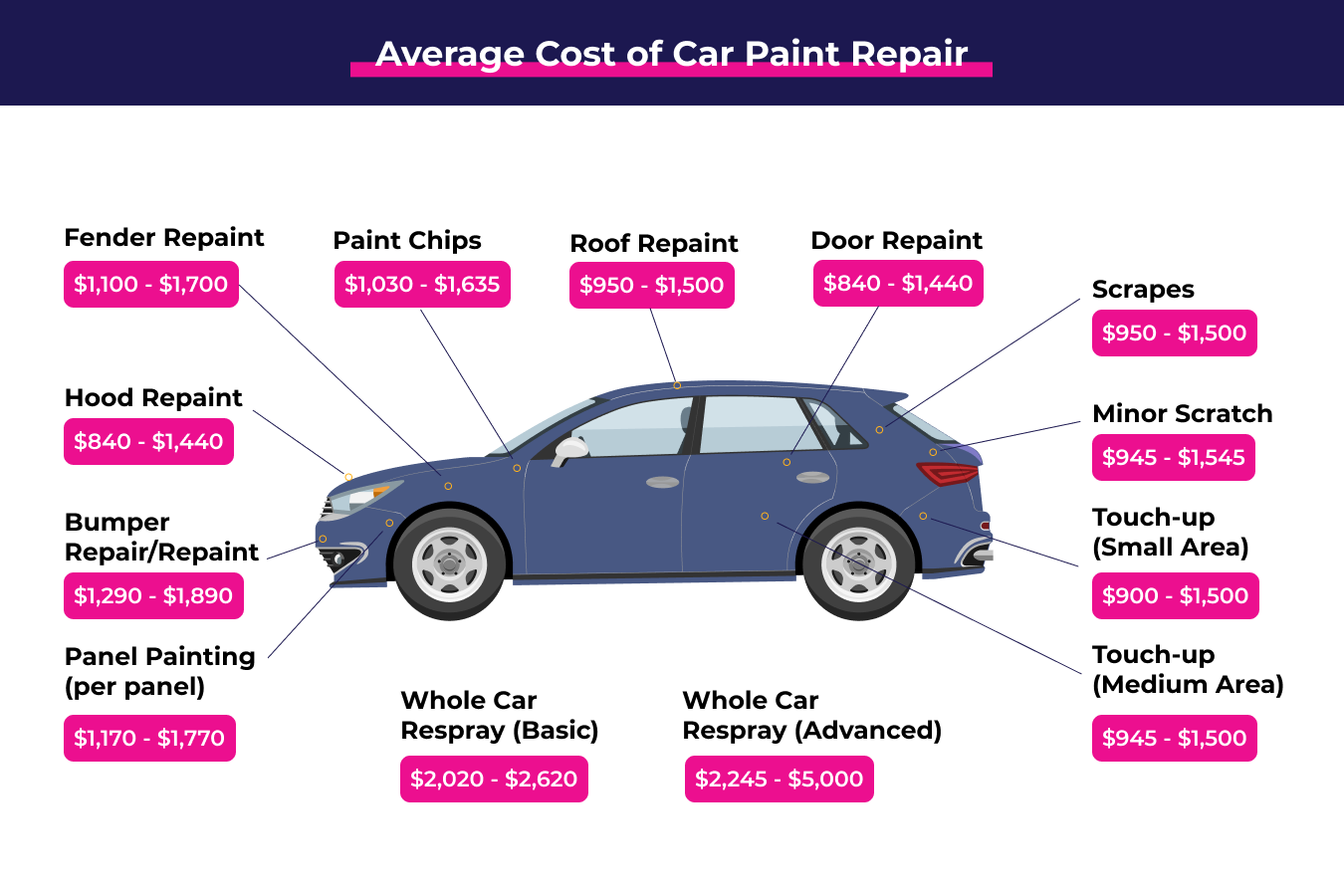
How Much Does Painting a Car Cost
The appearance of your car significantly impacts its overall appeal and resale value. Over time, factors like sun exposure, minor scratches, and general wear and tear can diminish your vehicle’s pristine finish, making a fresh coat of paint an appealing prospect. However, before diving into the world of color swatches and clear coats, many car owners naturally ponder the crucial question: “How much does painting a car cost?” The answer, as you’ll discover, is not always straightforward, as the final auto paint price can vary widely based on numerous factors, from the type of paint job desired to the condition of the existing bodywork. Understanding these variables is key to budgeting effectively for your vehicle’s aesthetic rejuvenation.
Key Factors Influencing Your Car Painting Cost
Several elements contribute to the total expense of a car paint job. Being aware of these can help you anticipate the final price and make informed decisions.
-
Type of Paint Job Desired
This is arguably the most significant factor. A quick, cosmetic touch-up is vastly different from a complete, show-quality repaint.
- Basic / Economy Paint Job: This typically involves minimal surface preparation, a single coat of synthetic enamel paint, and often doesn’t include detailed masking or clear coat. It’s the cheapest option, ideal for older cars or those needing a quick refresh.
- Standard / Mid-Range Paint Job: This level includes more thorough sanding, rust removal, a better quality urethane paint, and a clear coat. It offers good durability and an attractive finish for most daily drivers.
- Premium / Show-Quality Paint Job: This is an extensive process involving meticulous bodywork, multiple coats of high-quality paint, several layers of clear coat, and extensive wet sanding and buffing for a mirror-like finish. It’s suitable for luxury cars, classics, or custom projects.
-
Vehicle Size and Model
Larger vehicles like SUVs, trucks, or vans naturally require more paint and more labor hours than compact cars. Exotic or luxury car models might also incur higher costs due to specialized paints, intricate body lines, or the need for highly specialized technicians.
-
Condition of Existing Paint and Bodywork
If your car has significant dents, deep scratches, rust, or peeling clear coat, extensive repair work will be necessary before painting. This bodywork adds considerably to the overall car repaint cost, sometimes even surpassing the paint application itself.
-
Paint Quality and Type
The quality and type of paint used play a crucial role; Synthetic enamels are cheaper, while urethane paints offer better durability and gloss. Specialized paints like metallic, pearlescent, candy apple, or matte finishes come with a higher price tag due to their complex pigments and application processes.
-
Geographic Location
Labor rates and operating costs vary by region. A paint shop in a major metropolitan area will likely charge more than one in a rural setting.
Understanding Different Paint Job Tiers and Their Estimated Car Paint Prices
To give you a clearer picture, here’s a general comparison of what you might expect for different levels of car painting services.
| Paint Job Tier | Description | Estimated Cost Range (USD) |
|---|---|---|
| Economy / Basic | Minimal prep work, single-stage synthetic enamel, basic masking. Quickest turnaround. | $500 ー $1,500 |
| Standard / Mid-Range | Thorough sanding, minor dent/rust repair, two-stage urethane paint (base coat + clear coat). Good durability and shine. | $1,500 ‒ $5,000 |
| Premium / Show-Quality | Extensive bodywork, multiple coats of high-grade paint, several layers of clear coat, wet sanding, buffing. Flawless, mirror-like finish. | $5,000 ー $15,000+ |
The Process of Professional Vehicle Repainting
A high-quality paint job involves more than just spraying on a new color. It’s a multi-step process that ensures durability and a stunning finish.
-
Thorough Preparation and Disassembly
This critical first step involves cleaning the car thoroughly, removing trim, lights, bumpers, and sometimes even windows. Extensive sanding, rust removal, dent repair, and filling scratches are performed to create a perfectly smooth surface.
-
Priming and Sealing
Once the bodywork is flawless, several layers of primer are applied. The primer serves to promote adhesion, fill minor imperfections, and provide a uniform base for the color coat. It is then sanded smooth.
-
Base Coat Application
The chosen color, or base coat, is applied in multiple thin layers. This is where the car gets its new hue; Proper application ensures even coverage and color depth.
-
Clear Coat Application
After the base coat, several layers of clear coat are applied. This transparent protective layer provides gloss, UV protection, and resistance to scratches and environmental damage. It’s crucial for the longevity and shine of the paint job.
-
Curing, Wet Sanding, and Buffing
The paint needs time to cure properly. After curing, for premium jobs, the clear coat is often wet-sanded to remove any imperfections and then buffed to a high-gloss, mirror-like finish.
FAQ: Frequently Asked Questions About Car Paint Costs
Q: How long does a professional car paint job last?
A: A high-quality professional paint job, especially with a good clear coat, can last anywhere from 5 to 10 years or even longer with proper maintenance and care. Economy paint jobs may only last a few years.
Q: Can I paint my car a different color? Does it affect the cost?
A: Yes, you can paint your car a different color. However, changing the color typically increases the car painting cost significantly. This is because the jambs (inside door frames, trunk, hood) and other hidden areas also need to be painted to avoid the old color showing through, which requires more labor and disassembly.
Q: Is it cheaper to wrap a car than paint it?
A: For a complete color change, car wrapping can sometimes be a more cost-effective option than a high-quality paint job, especially for specialty finishes. Wraps also offer the benefit of protecting the original paint and are reversible. Prices vary, but a good wrap can range from $2,000 to $5,000+.
Q: What’s the difference between a cheap paint job and an expensive one?
A: The main differences lie in the quality of materials used (paint, primer, clear coat), the amount of preparation time spent on bodywork, the number of paint layers, and the skill of the technician. Expensive jobs involve meticulous preparation, higher-grade paints, and extensive finishing, resulting in a much more durable and aesthetically superior finish.
Q: Does car color affect the painting cost?
A: Generally, standard colors (black, white, silver) cost less than custom colors or those requiring special pigments like metallic, pearlescent, or candy colors. These specialty paints are more expensive to purchase and often require more intricate application techniques.
Determining the precise cost of painting a car is a nuanced process influenced by a multitude of factors, from the specific type of finish desired to the car’s existing condition. While an economy paint job might offer a quick refresh for a few hundred dollars, a premium, show-quality finish can easily extend into several thousand. Always obtain multiple quotes from reputable auto body shops and thoroughly discuss the scope of work involved. Investing in a professional paint job not only enhances your vehicle’s aesthetic appeal but also contributes to its long-term value and protection. By understanding these variables, you can make an informed decision that aligns with your budget and your car’s specific needs.
The appearance of your car significantly impacts its overall appeal and resale value. Over time, factors like sun exposure, minor scratches, and general wear and tear can diminish your vehicle’s pristine finish, making a fresh coat of paint an appealing prospect. However, before diving into the world of color swatches and clear coats, many car owners naturally ponder the crucial question: “How much does painting a car cost?” The answer, as you’ll discover, is not always straightforward, as the final auto paint price can vary widely based on numerous factors, from the type of paint job desired to the condition of the existing bodywork. Understanding these variables is key to budgeting effectively for your vehicle’s aesthetic rejuvenation.
Several elements contribute to the total expense of a car paint job. Being aware of these can help you anticipate the final price and make informed decisions.
-
This is arguably the most significant factor. A quick, cosmetic touch-up is vastly different from a complete, show-quality repaint.
- Basic / Economy Paint Job: This typically involves minimal surface preparation, a single coat of synthetic enamel paint, and often doesn’t include detailed masking or clear coat. It’s the cheapest option, ideal for older cars or those needing a quick refresh.
- Standard / Mid-Range Paint Job: This level includes more thorough sanding, rust removal, a better quality urethane paint, and a clear coat. It offers good durability and an attractive finish for most daily drivers.
- Premium / Show-Quality Paint Job: This is an extensive process involving meticulous bodywork, multiple coats of high-quality paint, several layers of clear coat, and extensive wet sanding and buffing for a mirror-like finish. It’s suitable for luxury cars, classics, or custom projects.
-
Larger vehicles like SUVs, trucks, or vans naturally require more paint and more labor hours than compact cars. Exotic or luxury car models might also incur higher costs due to specialized paints, intricate body lines, or the need for highly specialized technicians.
-
If your car has significant dents, deep scratches, rust, or peeling clear coat, extensive repair work will be necessary before painting; This bodywork adds considerably to the overall car repaint cost, sometimes even surpassing the paint application itself.
-
The quality and type of paint used play a crucial role. Synthetic enamels are cheaper, while urethane paints offer better durability and gloss. Specialized paints like metallic, pearlescent, candy apple, or matte finishes come with a higher price tag due to their complex pigments and application processes.
-
Labor rates and operating costs vary by region. A paint shop in a major metropolitan area will likely charge more than one in a rural setting.
To give you a clearer picture, here’s a general comparison of what you might expect for different levels of car painting services.
| Paint Job Tier | Description | Estimated Cost Range (USD) |
|---|---|---|
| Economy / Basic | Minimal prep work, single-stage synthetic enamel, basic masking. Quickest turnaround. | $500 ‒ $1,500 |
| Standard / Mid-Range | Thorough sanding, minor dent/rust repair, two-stage urethane paint (base coat + clear coat). Good durability and shine. | $1,500 ‒ $5,000 |
| Premium / Show-Quality | Extensive bodywork, multiple coats of high-grade paint, several layers of clear coat, wet sanding, buffing. Flawless, mirror-like finish. | $5,000 ‒ $15,000+ |
A high-quality paint job involves more than just spraying on a new color. It’s a multi-step process that ensures durability and a stunning finish.
-
This critical first step involves cleaning the car thoroughly, removing trim, lights, bumpers, and sometimes even windows. Extensive sanding, rust removal, dent repair, and filling scratches are performed to create a perfectly smooth surface.
-
Once the bodywork is flawless, several layers of primer are applied. The primer serves to promote adhesion, fill minor imperfections, and provide a uniform base for the color coat. It is then sanded smooth.
-
The chosen color, or base coat, is applied in multiple thin layers. This is where the car gets its new hue. Proper application ensures even coverage and color depth.
-
Write a quality, in-depth, magazine-style article on the topic:
Write in English
Use a clickbait and catchy headline. Be sure to include the keyword in the headline and use the background content added with this post to create a relevant and related topic.
Make sure the text is written in a journalistic, professional, and engaging style, like The New York Times or Forbes. The tone should be optimistic, forward-looking, and persuasive. Use sentences of varying lengths (average 250 characters, maximum 500, minimum 30). Use appropriate analogies, descriptive adverbs (e.g., “incredibly effective”), and correct adverbial phrases (e.g., “By integrating insights from AI…”). Make sure the GLTR is LOW by balancing 40-55% green, 20-30% yellow, 15-25% red, and 5-10% purple words. Use present and past participles to add dynamism. Provide deep knowledge, expert opinions, and industry examples to make the article compelling.
After the second paragraph of the article, add a table with the biographical information, personal information, career information, and professional background of the person you are talking about, along with a link to one official website for reference. The table should be in a format that is easy to embed in WordPress.
If the topic is not related to a specific person, add relevant information in a table that can be embedded in WordPress.
Ensure the writing follows a journalistic, professional, and engaging style, like The New York Times or Forbes. The tone should be optimistic, forward-looking, and persuasive. Use varied sentence lengths (average 250 characters, max 500, min 30). Incorporate relatable analogies, descriptive adverbs (e.g., ‘remarkably effective’), and proper adverbial phrases (e.g., ‘By integrating AI-driven insights…’). Ensure a LOW GLTR score, balancing 40-55% green, 20-30% yellow, 15-25% red, and 5-10% purple words. Use present and past parts to enhance dynamism. Provide deep insights, expert perspectives, and industry examples to make it compelling.After the second paragraph of the article add table with bio data and personal information, career, professional information of person in topic, also add link to one authentic website for reference, the table should be in the form that it can be easily inserted in wordpress.
If the topic is other than person related than add related information in the form of table that can be inserted in wordpress.
After the base coat, several layers of clear coat are applied. This transparent protective layer provides gloss, UV protection, and resistance to scratches and environmental damage. It’s crucial for the longevity and shine of the paint job.
-
The paint needs time to cure properly. After curing, for premium jobs, the clear coat is often wet-sanded to remove any imperfections and then buffed to a high-gloss, mirror-like finish.
A: A high-quality professional paint job, especially with a good clear coat, can last anywhere from 5 to 10 years or even longer with proper maintenance and care. Economy paint jobs may only last a few years.
A: Yes, you can paint your car a different color. However, changing the color typically increases the car painting cost significantly. This is because the jambs (inside door frames, trunk, hood) and other hidden areas also need to be painted to avoid the old color showing through, which requires more labor and disassembly.
A: For a complete color change, car wrapping can sometimes be a more cost-effective option than a high-quality paint job, especially for specialty finishes. Wraps also offer the benefit of protecting the original paint and are reversible. Prices vary, but a good wrap can range from $2,000 to $5,000+.
A: The main differences lie in the quality of materials used (paint, primer, clear coat), the amount of preparation time spent on bodywork, the number of paint layers, and the skill of the technician. Expensive jobs involve meticulous preparation, higher-grade paints, and extensive finishing, resulting in a much more durable and aesthetically superior finish.
A: Generally, standard colors (black, white, silver) cost less than custom colors or those requiring special pigments like metallic, pearlescent, or candy colors. These specialty paints are more expensive to purchase and often require more intricate application techniques.
Determining the precise cost of painting a car is a nuanced process influenced by a multitude of factors, from the specific type of finish desired to the car’s existing condition. While an economy paint job might offer a quick refresh for a few hundred dollars, a premium, show-quality finish can easily extend into several thousand. Always obtain multiple quotes from reputable auto body shops and thoroughly discuss the scope of work involved. Investing in a professional paint job not only enhances your vehicle’s aesthetic appeal but also contributes to its long-term value and protection. By understanding these variables, you can make an informed decision that aligns with your budget and your car’s specific needs.
Author
