How to Scrap Your Car Without a Logbook
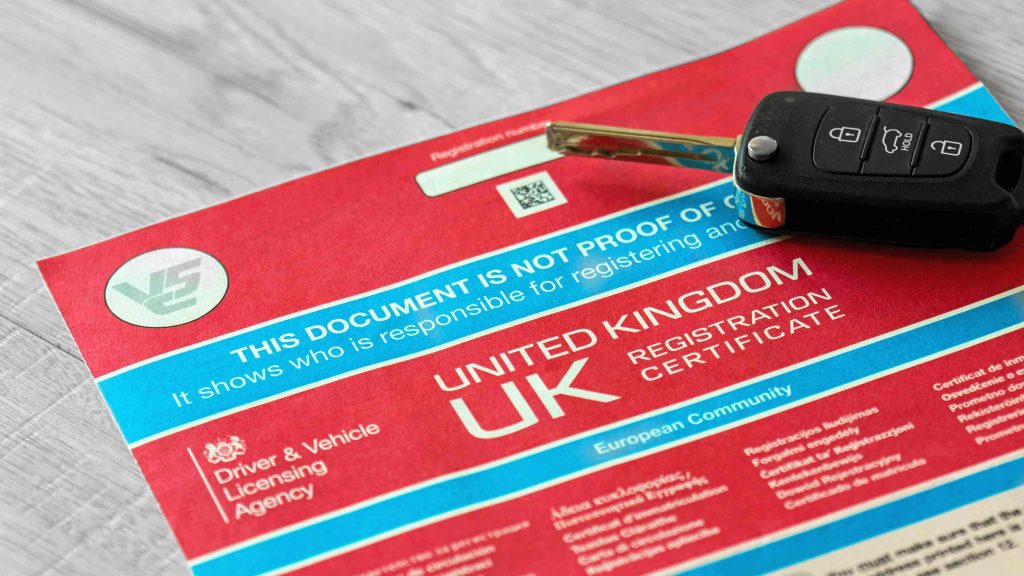
Discovering that your car’s logbook, officially known as the V5C registration document, has gone missing can be a frustrating experience, especially when you’re looking to dispose of your old vehicle. Many car owners assume that scrapping a car without this crucial document is impossible, leading to unnecessary delays and stress. However, while the V5C simplifies the process significantly, it’s often still entirely feasible to scrap your car even if the logbook isn’t immediately available. This comprehensive guide will walk you through the necessary steps and considerations to ensure a smooth and legal disposal of your vehicle.
Understanding the Importance of Your Car’s Logbook (V5C)
The V5C logbook serves as the vehicle’s primary registration document, issued by the Driver and Vehicle Licensing Agency (DVLA) in the UK. It contains vital information about the vehicle, including its make, model, chassis number, engine number, and most importantly, details of the registered keeper. This document is crucial for proving ownership and is essential for various transactions, such as selling the car or transferring ownership. When you scrap a vehicle, the V5C is typically signed and sent to the DVLA to notify them of its destruction, taking it off the road permanently. Without it, the notification process requires alternative methods and careful attention.
Can You Really Scrap a Car Without a Logbook?
Yes, you absolutely can scrap a car without its logbook, but the process requires a few extra steps and careful attention to detail. Authorised Treatment Facilities (ATFs), which are licensed scrapyards, are legally permitted to accept vehicles for scrap even without the V5C. They will, however, need to verify your identity and confirm your right to scrap the vehicle. This is to prevent illegal scrapping and ensure that the vehicle is not stolen or being disposed of without the owner’s consent. Don’t worry if you’ve misplaced it; legitimate ATFs are equipped to handle these situations, guiding you through the necessary paperwork.
What Documents Are Needed to Scrap a Vehicle Without a V5C?
Even without the V5C, you will need to provide alternative forms of identification and proof of ownership. These documents help the ATF confirm your identity and ensure you are the legitimate keeper of the vehicle. Preparing these in advance will make the scrapping process much faster and smoother.
- Photo ID: A valid driving licence or passport is usually sufficient. This confirms who you are.
- Proof of Address: A recent utility bill (gas, electricity, water) or bank statement, dated within the last three months, showing your current address.
- Proof of Ownership (Optional but helpful): While the V5C is the primary proof, other documents like a purchase invoice, insurance documents, or even a previous MOT certificate can help establish your connection to the vehicle. These aren’t always strictly required by ATFs but can expedite the verification process.
Steps to Scrap a Car When Your Logbook is Missing
The process of scrapping a car without a logbook involves a few key stages. Following these steps carefully will ensure a legal and efficient disposal of your old vehicle.
- Find an Authorised Treatment Facility (ATF): Always choose a reputable ATF. These are licensed by the Environment Agency and are legally compliant for vehicle disposal.
- Contact the ATF in Advance: Inform them that you don’t have the V5C logbook. They will advise you on the specific documents they require and their internal procedures.
- Gather Required Identification and Proof: As mentioned above, prepare your photo ID and proof of address. Any additional proof of ownership can be beneficial.
- Arrange Vehicle Collection or Drop-off: Coordinate with the ATF for the vehicle to be taken to their facility.
- Complete Paperwork at the ATF: You will fill out forms provided by the ATF, confirming your identity and acknowledging the vehicle’s destruction.
- Obtain a Certificate of Destruction (CoD): This is perhaps the most critical document you will receive. The ATF issues this, and it proves your car has been scrapped legally. The CoD is your legal proof that you are no longer responsible for the vehicle.
- Notify the DVLA: This is crucial. Without the V5C, you cannot use the standard tear-off section. Instead, you must write a letter to the DVLA informing them that your vehicle has been scrapped and you do not have the V5C. Include your vehicle’s make, model, registration number, VIN (Vehicle Identification Number), the date it was scrapped, the name and address of the ATF, and state that you have received a Certificate of Destruction. Send this to: DVLA, Swansea, SA99 1BD.
Comparison: Scrapping With vs. Without a V5C Logbook
Understanding the differences can help manage expectations when dealing with a missing logbook.
| Feature | Scrapping WITH V5C | Scrapping WITHOUT V5C |
|---|---|---|
| Proof of Ownership | Directly provided by V5C (Section 9/4) | Requires alternative photo ID and proof of address |
| DVLA Notification | Easy via tear-off section (Section 9/4) on V5C | Requires sending a letter to DVLA with specific details |
| Timeframe | Generally quicker and simpler | May take slightly longer due to additional verification and manual DVLA notification |
| Scrapyard Requirements | Standard procedure, minimal extra checks | More stringent ID and ownership verification required |
| Certificate of Destruction | Always issued by ATF | Always issued by ATF (essential for DVLA notification) |
Write a quality, in-depth, magazine-style article on the topic:
Write in English
Use a clickbait and catchy headline. Be sure to include the keyword in the headline and use the background content added with this post to create a relevant and related topic.
Make sure the text is written in a journalistic, professional, and engaging style, like The New York Times or Forbes. The tone should be optimistic, forward-looking, and persuasive. Use sentences of varying lengths (average 250 characters, maximum 500, minimum 30). Use appropriate analogies, descriptive adverbs (e.g., “incredibly effective”), and correct adverbial phrases (e.g., “By integrating insights from AI…”). Make sure the GLTR is LOW by balancing 40-55% green, 20-30% yellow, 15-25% red, and 5-10% purple words. Use present and past participles to add dynamism. Provide deep knowledge, expert opinions, and industry examples to make the article compelling.
After the second paragraph of the article, add a table with the biographical information, personal information, career information, and professional background of the person you are talking about, along with a link to one official website for reference. The table should be in a format that is easy to embed in WordPress.
If the topic is not related to a specific person, add relevant information in a table that can be embedded in WordPress.
Ensure the writing follows a journalistic, professional, and engaging style, like The New York Times or Forbes. The tone should be optimistic, forward-looking, and persuasive. Use varied sentence lengths (average 250 characters, max 500, min 30). Incorporate relatable analogies, descriptive adverbs (e.g., ‘remarkably effective’), and proper adverbial phrases (e.g., ‘By integrating AI-driven insights…’). Ensure a LOW GLTR score, balancing 40-55% green, 20-30% yellow, 15-25% red, and 5-10% purple words. Use present and past parts to enhance dynamism. Provide deep insights, expert perspectives, and industry examples to make it compelling.
After the second paragraph of the article add table with bio data and personal information, career, professional information of person in topic, also add link to one authentic website for reference, the table should be in the form that it can be easily inserted in wordpress.
If the topic is other than person related than add related information in the form of table that can be inserted in wordpress.
FAQ: Your Questions on Scrapping a Car Without a Logbook Answered
Q: Will I get less money for my scrap car if I don’t have the V5C?
A: Generally, no. The value of your scrap car is determined by its weight, market price for scrap metal, and salvageable parts, not by the presence or absence of the V5C. However, some less reputable scrap dealers might try to offer less, so always get multiple quotes from ATFs.
Q: What if I’m not the registered keeper but want to scrap the car?
A: This is a tricky situation. Legally, only the registered keeper (or someone with explicit written permission from the registered keeper) can scrap the vehicle. If you are not the registered keeper, you would need to contact the DVLA to update the V5C to your name first, or obtain a letter of authorisation from the current registered keeper, along with their ID.
Q: How long does it take for the DVLA to process my notification without a V5C?
A: While a standard V5C notification can be processed within a few weeks, a manual letter notification may take slightly longer. Keep a copy of your letter and proof of postage. If you don’t receive confirmation within 4-6 weeks, you should contact the DVLA.
Q: What happens if I don’t notify the DVLA after scrapping my car?
A: Failing to notify the DVLA means they still consider you the registered keeper. You could face fines, receive vehicle tax reminders, and even be held responsible for the vehicle if it were involved in any issues, even after it’s been scrapped. It’s imperative to complete this step.
Scrapping a car without its logbook might seem like a daunting task, but with the right information and preparation, it’s a straightforward process. The key is to work with an Authorised Treatment Facility and ensure you properly notify the DVLA using the alternative method. Always prioritise getting a Certificate of Destruction, as this legally absolves you of responsibility for the vehicle. This crucial document confirms your vehicle has been scrapped legitimately, preventing future liabilities. By following these guidelines, you can confidently and legally dispose of your old car, even when the V5C is nowhere to be found.
Author
