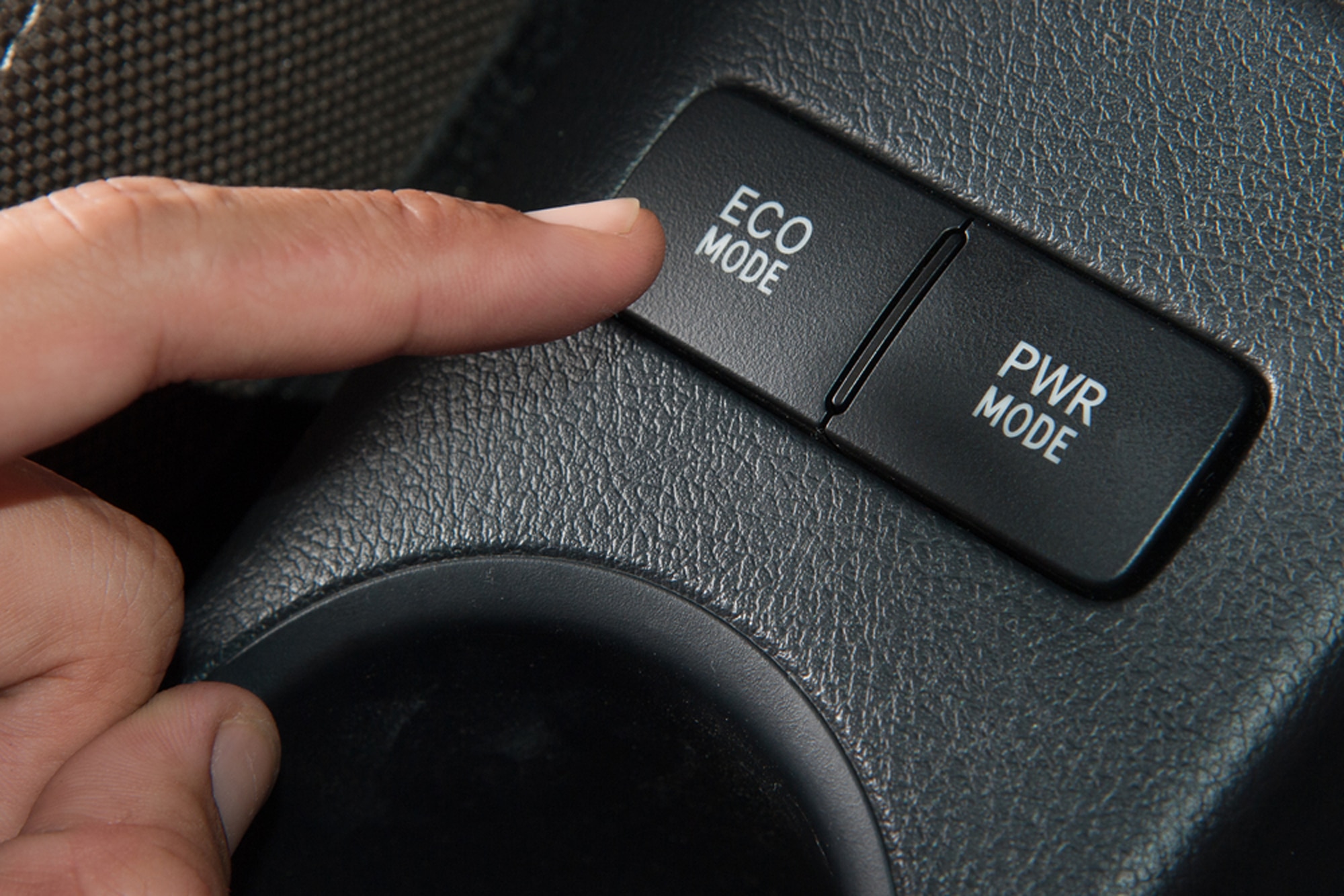
Understanding Automotive Eco Mode
Modern automobiles are increasingly equipped with advanced features designed to enhance both performance and efficiency. Among these innovations, the “Eco Mode” stands out as a popular and often misunderstood setting, promising to optimize your vehicle’s fuel consumption. This specialized driving mode, found in a wide range of cars from compact sedans to SUVs, is engineered to gently modify various operational parameters of your vehicle. It aims to reduce the amount of fuel your engine uses during typical driving conditions, contributing to lower running costs and a smaller environmental footprint. Understanding how Eco Mode works and when to effectively use it can transform your driving experience, making it smoother and more economical.
What Exactly is Automotive Eco Mode?
Automotive Eco Mode, short for “Economical Mode,” is a pre-programmed setting within your car’s engine control unit (ECU) designed to prioritize fuel efficiency over raw performance. When activated, it subtly alters the behavior of several key vehicle systems to encourage more conservative driving habits and reduce energy waste. This isn’t just about limiting power; it’s a holistic approach to managing energy consumption throughout the vehicle’s operation. Its primary goal is to help drivers achieve better mileage without requiring significant changes in their driving style, though mindful driving can amplify its benefits.
How Your Car’s Eco Mode Works Under the Hood
The magic of Eco Mode lies in its ability to fine-tune various vehicle components. These adjustments work in concert to reduce fuel consumption.
- Throttle Response: One of the most noticeable changes is a softened throttle pedal response. This means that pressing the accelerator pedal will result in a less aggressive surge of power, making acceleration smoother and reducing sudden bursts of fuel injection.
- Transmission Tuning: The transmission shifts gears earlier than usual, keeping the engine RPMs (revolutions per minute) lower. Lower RPMs generally translate to less fuel being consumed, as the engine isn’t working as hard.
- Engine Management: Eco Mode can also adjust fuel mapping and ignition timing to favor efficiency. In some advanced vehicles, it might even engage cylinder deactivation systems more frequently, temporarily shutting down some cylinders when full power isn’t needed.
- Climate Control: The air conditioning system often operates with reduced intensity. This means the AC compressor might cycle less frequently or run at a lower power setting, lessening the load on the engine.
- Ancillary Systems: Other systems, like regenerative braking in hybrid or electric vehicles, might also be optimized to recover more energy, further contributing to overall efficiency.
The Tangible Benefits of Engaging Eco Mode
Activating your car’s Eco Mode offers several compelling advantages for drivers. The most direct benefit is, of course, improved fuel economy. By optimizing engine and transmission behavior, you’ll likely notice fewer trips to the gas station. This reduction in fuel consumption also directly translates into lower operating costs over the vehicle’s lifespan. Beyond the financial savings, Eco Mode contributes to a greener environment by reducing carbon emissions. Furthermore, the smoother acceleration and gear changes can lead to a more relaxed and comfortable driving experience, especially in stop-and-go traffic. It also places less strain on engine and transmission components, potentially extending their longevity.
| Feature | Eco Mode | Normal Mode | Sport Mode |
|---|---|---|---|
| Throttle Response | Mellow, gradual | Balanced, responsive | Sharp, immediate |
| Gear Shifts | Early, low RPM | Standard, balanced | Late, high RPM |
| Climate Control | Reduced intensity | Standard operation | Standard operation |
| Fuel Consumption | Lowest | Moderate | Highest |
| Driving Feel | Smooth, relaxed | Typical, versatile | Aggressive, dynamic |
When to Utilize and When to Avoid Eco Mode
While Eco Mode is highly beneficial, it’s not always the optimal choice. It shines brightest in situations where consistent, moderate speeds are maintained.
When to Use Eco Mode:
- City Driving: In urban environments with frequent stops and starts, Eco Mode can significantly reduce fuel waste from aggressive acceleration.
- Highway Cruising: On long stretches of highway where you maintain a steady speed, Eco Mode helps sustain efficiency.
- Long Trips: For journeys where overall fuel economy is a priority, engaging Eco Mode from the start is a wise choice.
- Traffic Jams: During slow-moving traffic, the softened throttle can make the experience less jerky and more comfortable.
When to Avoid Eco Mode:
- Overtaking: When quick acceleration is needed for safety, such as passing another vehicle, Eco Mode’s dulled response can be a hindrance.
- Steep Inclines: Climbing hills might require more power than Eco Mode comfortably provides, potentially leading to the engine struggling.
- Emergency Maneuvers: In situations requiring immediate full power for evasive action, Eco Mode should be disengaged.
- Merging onto Fast Highways: To safely merge with high-speed traffic, you’ll need the car’s full power and responsiveness.
Common Misconceptions About Vehicle Eco Settings
Many drivers harbor misunderstandings about Eco Mode. It does not make your car dangerously slow; it simply moderates acceleration, which can be overridden by pressing the pedal harder. Eco Mode is also not exclusive to hybrid or electric vehicles; many conventional gasoline cars feature this setting. Furthermore, Eco Mode is not always active; it typically needs to be manually engaged, although some vehicles may default to it upon startup. It’s a tool, not a permanent limitation on your car’s capabilities.
Frequently Asked Questions About Car Eco Mode
Here are some common questions regarding your car’s Eco Mode:
- Can Eco Mode harm my engine? No, Eco Mode is designed by manufacturers to operate within safe parameters and will not harm your engine. It simply optimizes existing systems for efficiency.
- Does Eco Mode save a lot of fuel? The amount of fuel saved varies based on driving habits, vehicle type, and road conditions, but most drivers report noticeable improvements, often between 5-15%.
- Is Eco Mode suitable for all driving conditions? While beneficial for many scenarios, it’s best avoided in situations requiring rapid acceleration or maximum power, such as overtaking or emergency maneuvers.
- How do I activate Eco Mode? Most vehicles have a dedicated button or a setting in the infotainment system to engage Eco Mode. Consult your car’s owner’s manual for specific instructions.
- Will Eco Mode affect my car’s performance significantly? Yes, it will reduce the responsiveness of the throttle and may make the car feel less powerful during acceleration. However, it does not reduce the car’s top speed or ultimate power output, just its immediate availability.
Author
