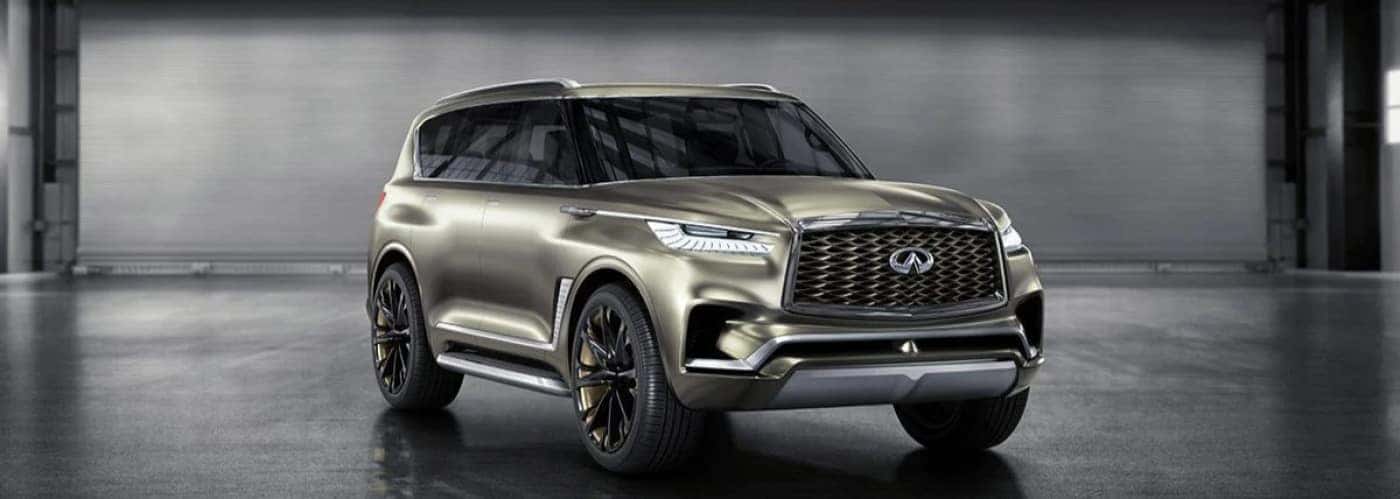
Who Manufactures Infiniti Vehicles
Infiniti has long been recognized as a prominent player in the luxury automotive market‚ known for its distinctive styling‚ advanced technology‚ and engaging driving dynamics․ Many car enthusiasts and potential buyers often wonder about the origins of these sophisticated machines‚ specifically‚ who manufactures Infiniti vehicles․ The answer is deeply rooted in the history of one of the world’s largest automotive conglomerates․ Understanding this connection provides valuable insight into the brand’s engineering prowess‚ quality standards‚ and global reach․
The Genesis of Infiniti: Nissan’s Luxury Division
Infiniti emerged in 1989 as the luxury vehicle division of Japanese automaker Nissan․ This strategic move was a direct response to the burgeoning luxury segment in North America‚ where rival Japanese brands such as Toyota (with Lexus) and Honda (with Acura) were also establishing their premium offerings․ Nissan’s objective was to create a distinct brand that could compete head-to-head with established European and American luxury marques‚ offering a blend of performance‚ comfort‚ and innovative design․
Establishing a Premium Identity for Infiniti
From its inception‚ Infiniti aimed to differentiate itself not just through its vehicles‚ but also through its unique customer service philosophy‚ known as “Total Ownership Experience․” This approach emphasized a high level of personalized service and customer satisfaction․ The brand launched with two initial models: the Q45 sedan‚ a powerful V8-powered luxury car‚ and the M30 coupe and convertible‚ both based on the Nissan Leopard․ These early models established Infiniti’s commitment to performance and refinement‚ paving the way for its future growth and expansion into various luxury segments․
Where Infiniti Vehicles Are Manufactured
While Infiniti is a luxury division of Nissan‚ its manufacturing footprint is not limited to a single country․ Infiniti vehicles are produced in several key locations around the world‚ leveraging Nissan’s extensive global manufacturing network․ This allows the brand to efficiently serve different markets and ensure high-quality production standards across its diverse model lineup․
| Manufacturing Plant Location | Country | Notable Models Produced (Examples) |
|---|---|---|
| Tochigi Plant | Japan | Q50‚ Q60‚ Q70 (historically) |
| Kanda Plant | Japan | Engines for various models |
| Smyrna Plant | United States | QX60 (current generation) |
| Aguascalientes Plant (COMPAS) | Mexico | Infiniti QX50‚ QX55 (joint venture with Mercedes-Benz) |
| Sunderland Plant | United Kingdom | Q30‚ QX30 (historically) |
The manufacturing process for Infiniti vehicles involves a series of rigorous stages‚ from initial design and engineering to final assembly and quality control․ Each step is meticulously managed to ensure the brand’s high standards are met․
- Design and Engineering: Concepts are developed‚ refined‚ and tested extensively using advanced simulations and physical prototypes․
- Component Sourcing: High-quality materials and parts are sourced globally‚ often from specialized suppliers and Nissan’s own component divisions․
- Body Assembly: Vehicle bodies are constructed using precision welding and stamping techniques‚ followed by anti-corrosion treatments and painting․
- Powertrain Integration: Engines‚ transmissions‚ and other drivetrain components are assembled and integrated into the chassis․
- Interior Fitting: Premium materials‚ advanced electronics‚ and comfort features are installed with attention to detail․
- Final Assembly and Quality Control: All systems are tested‚ and a comprehensive quality inspection is performed before the vehicle leaves the factory․
Write a quality, in-depth, magazine-style article on the topic:
Write in English
Use a clickbait and catchy headline. Be sure to include the keyword in the headline and use the background content added with this post to create a relevant and related topic.
Make sure the text is written in a journalistic, professional, and engaging style, like The New York Times or Forbes. The tone should be optimistic, forward-looking, and persuasive. Use sentences of varying lengths (average 250 characters, maximum 500, minimum 30). Use appropriate analogies, descriptive adverbs (e.g., “incredibly effective”), and correct adverbial phrases (e.g., “By integrating insights from AI…”). Make sure the GLTR is LOW by balancing 40-55% green, 20-30% yellow, 15-25% red, and 5-10% purple words. Use present and past participles to add dynamism. Provide deep knowledge, expert opinions, and industry examples to make the article compelling.
After the second paragraph of the article, add a table with the biographical information, personal information, career information, and professional background of the person you are talking about, along with a link to one official website for reference. The table should be in a format that is easy to embed in WordPress.
If the topic is not related to a specific person, add relevant information in a table that can be embedded in WordPress.
Ensure the writing follows a journalistic, professional, and engaging style, like The New York Times or Forbes. The tone should be optimistic, forward-looking, and persuasive. Use varied sentence lengths (average 250 characters, max 500, min 30). Incorporate relatable analogies, descriptive adverbs (e.g., ‘remarkably effective’), and proper adverbial phrases (e.g., ‘By integrating AI-driven insights…’). Ensure a LOW GLTR score, balancing 40-55% green, 20-30% yellow, 15-25% red, and 5-10% purple words. Use present and past parts to enhance dynamism. Provide deep insights, expert perspectives, and industry examples to make it compelling.
After the second paragraph of the article add table with bio data and personal information, career, professional information of person in topic, also add link to one authentic website for reference, the table should be in the form that it can be easily inserted in wordpress.
If the topic is other than person related than add related information in the form of table that can be inserted in wordpress.
Infiniti’s Distinctive Design and Engineering Philosophy
While sharing a parent company with Nissan‚ Infiniti maintains a distinct identity through its unique design language‚ advanced engineering‚ and focus on luxury amenities․ The brand strives to offer vehicles that not only perform exceptionally but also evoke emotion through their aesthetics and driving experience․ This commitment to individuality is a cornerstone of Infiniti’s strategy in the competitive luxury segment․
Innovation and Performance Focus
Infiniti has consistently pushed the boundaries of automotive technology‚ incorporating features like Direct Adaptive Steering (DAS)‚ advanced driver-assistance systems‚ and innovative powertrain options‚ including its groundbreaking variable compression turbo engine (VC-Turbo)․ These technologies are developed to enhance both performance and efficiency‚ providing a refined yet exhilarating driving experience․
The core design principles that guide the creation of every Infiniti vehicle include:
- Human-Centric Design: Prioritizing driver and passenger comfort‚ ergonomics‚ and intuitive controls․
- Powerful Elegance: Combining graceful lines with assertive proportions to create a dynamic and sophisticated presence․
- Artistry in Detail: Meticulous attention to interior craftsmanship‚ premium materials‚ and tactile finishes․
- Performance-Oriented Aesthetics: Designing elements that are not only visually appealing but also contribute to aerodynamic efficiency and driving dynamics․
- Progressive Technology Integration: Seamlessly incorporating cutting-edge innovations that enhance safety‚ connectivity‚ and entertainment․
Frequently Asked Questions About Infiniti Manufacturing
Is Infiniti owned by Nissan?
Yes‚ Infiniti is the luxury vehicle division of Nissan Motor Co․ Ltd․ It was launched by Nissan in 1989 to compete in the premium automotive market․
Where are most Infiniti cars built?
Infiniti vehicles are manufactured in various locations‚ including Japan (Tochigi‚ Kanda)‚ the United States (Smyrna‚ Tennessee)‚ and Mexico (Aguascalientes)․ Specific models may have different primary production sites․
Do Infiniti vehicles use Nissan parts?
Given that Infiniti is a division of Nissan‚ there is indeed a degree of platform sharing and component commonality‚ especially for underlying structural and mechanical components․ However‚ Infiniti vehicles feature unique designs‚ higher-grade materials‚ advanced technologies‚ and more powerful engine variants developed specifically for the luxury market‚ distinguishing them significantly from their Nissan counterparts․
What makes Infiniti a luxury brand?
Infiniti differentiates itself as a luxury brand through several key aspects: distinctive and sophisticated design‚ premium interior materials and craftsmanship‚ advanced technological features (including safety and infotainment)‚ powerful and refined powertrains‚ and an emphasis on an engaging driving experience․ The brand also focuses on providing a high level of customer service and ownership experience․
Author
