A Comprehensive Guide to Flying with Your Dog
The thought of embarking on a journey with your beloved canine companion by your side is a delightful prospect for many pet owners. Whether for a vacation, a move, or a family visit, understanding the intricacies of dog travel on flights is absolutely essential for a smooth and safe experience. Air travel with pets is a complex undertaking governed by numerous regulations, varying greatly between airlines, countries, and even specific breeds. This comprehensive guide will help you decipher the requirements and prepare diligently, ensuring your furry friend’s comfort and well-being every step of the way. With careful planning, your dog can indeed join you on your aerial adventures.
Key Considerations Before Your Dog Travels by Air
Health and Breed Restrictions
Before even contemplating a flight, a thorough veterinary check-up is paramount. Your vet can assess your dog’s overall health, stress levels, and suitability for air travel, providing necessary health certificates. Many airlines and countries impose breed-specific restrictions, particularly for brachycephalic (snub-nosed) breeds like Pugs, Bulldogs, and Persian cats, due to their increased risk of respiratory issues at high altitudes. Always verify these restrictions with your chosen airline and destination country’s regulations.
Airline-Specific Policies
Each airline maintains its own unique set of rules regarding pet travel, covering everything from kennel dimensions and weight limits to allowed breeds and booking procedures. Some airlines might only permit pets in the cargo hold, while others offer limited in-cabin slots for small animals. It is crucial to contact the airline directly and review their pet policy well in advance of your travel date.
Options for Canine Flight Travel
Dogs typically travel in one of two ways when flying: in the cabin with their owner or in the cargo hold. The choice depends largely on the dog’s size, breed, and the airline’s specific policies.
| Feature | In-Cabin Travel | Cargo Hold Travel |
|---|---|---|
| Dog Size | Small dogs (must fit under the seat in a carrier) | Larger dogs, or small dogs not meeting in-cabin criteria |
| Carrier Type | Soft-sided, airline-approved, leak-proof, ventilated | Hard-sided, IATA-compliant, well-ventilated, secure |
| Supervision | Directly with owner | Handled by airline staff, temperature-controlled area |
| Cost | Generally lower than cargo | Can be significantly higher |
| Stress Level | Potentially lower for the pet, constant reassurance | Can be higher, separation from owner |
| Health Risks | Minimal, direct monitoring | Higher risks (temperature fluctuations, handling stress) |
| Booking | Limited slots, early booking essential | Requires specific booking for animal transport |
In-Cabin Travel Requirements
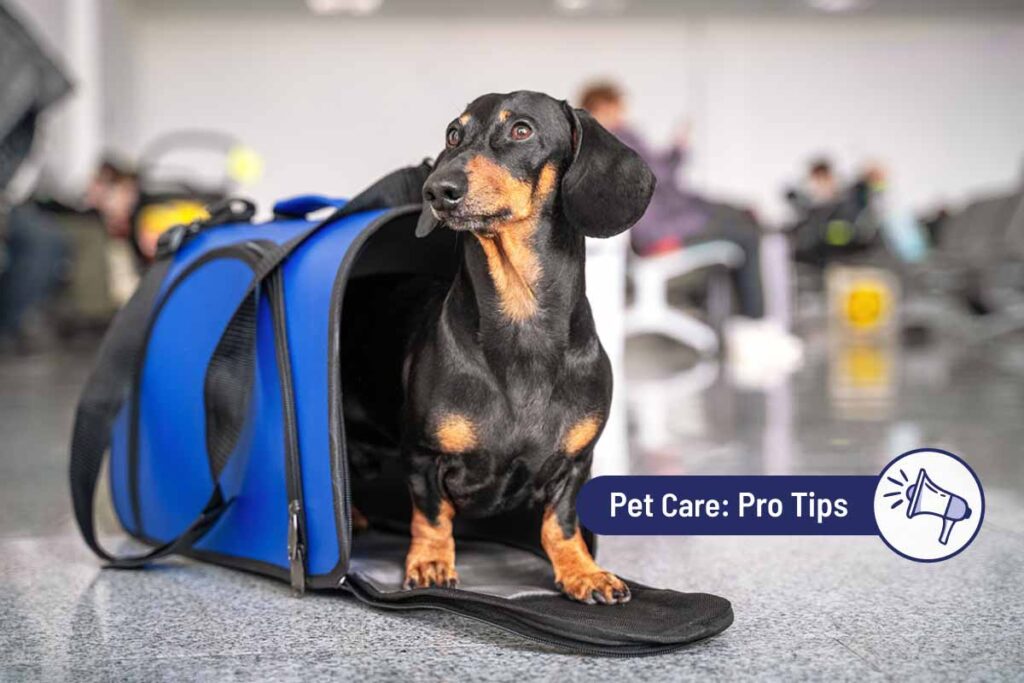
For your dog to travel in the cabin, it must be small enough to fit comfortably in an airline-approved carrier that can be stowed under the seat in front of you. The carrier must be well-ventilated, leak-proof, and allow your pet to stand up, turn around, and lie down naturally. There are strict limits on the number of pets allowed in the cabin per flight, so reserving a spot early is vital. Service animals, with proper documentation, often have different rules and are usually permitted in the cabin regardless of size, sitting at the handler’s feet.
Cargo Hold Travel Considerations
Larger dogs, or smaller dogs exceeding in-cabin limits, must travel in the cargo hold. This section of the aircraft is pressurized and temperature-controlled, though conditions can still vary. An IATA-compliant hard-sided kennel is mandatory, providing ample space, proper ventilation, and secure latches. Direct flights are often recommended to minimize handling and potential stress during layovers. It is crucial to acclimatize your dog to its travel crate weeks before the flight to reduce anxiety.
Preparing Your Canine for Flight Travel
Here are some essential pre-flight preparations to ensure a smooth journey for your dog:
- Veterinary Check-up: Obtain a health certificate and discuss any concerns with your vet.
- Microchip and ID Tags: Ensure your dog is microchipped and wears updated ID tags with your contact information.
- Crate Training: Familiarize your dog with its travel crate well in advance to build comfort and reduce stress.
- Food and Water: Feed your dog a light meal several hours before the flight; provide water up until departure and upon arrival.
- Documentation: Gather all required health certificates, vaccination records, and airline pet forms.
- Exercise: Give your dog plenty of exercise before heading to the airport to help them relax during the journey.
When it comes to booking and the day of travel, follow these steps:
Write a quality, in-depth, magazine-style article on the topic:
Write in English
Use a clickbait and catchy headline. Be sure to include the keyword in the headline and use the background content added with this post to create a relevant and related topic.
Make sure the text is written in a journalistic, professional, and engaging style, like The New York Times or Forbes. The tone should be optimistic, forward-looking, and persuasive. Use sentences of varying lengths (average 250 characters, maximum 500, minimum 30). Use appropriate analogies, descriptive adverbs (e.g., “incredibly effective”), and correct adverbial phrases (e.g., “By integrating insights from AI…”). Make sure the GLTR is LOW by balancing 40-55% green, 20-30% yellow, 15-25% red, and 5-10% purple words. Use present and past participles to add dynamism. Provide deep knowledge, expert opinions, and industry examples to make the article compelling.
After the second paragraph of the article, add a table with the biographical information, personal information, career information, and professional background of the person you are talking about, along with a link to one official website for reference. The table should be in a format that is easy to embed in WordPress.
If the topic is not related to a specific person, add relevant information in a table that can be embedded in WordPress.
Ensure the writing follows a journalistic, professional, and engaging style, like The New York Times or Forbes. The tone should be optimistic, forward-looking, and persuasive. Use varied sentence lengths (average 250 characters, max 500, min 30). Incorporate relatable analogies, descriptive adverbs (e.g., ‘remarkably effective’), and proper adverbial phrases (e.g., ‘By integrating AI-driven insights…’). Ensure a LOW GLTR score, balancing 40-55% green, 20-30% yellow, 15-25% red, and 5-10% purple words. Use present and past parts to enhance dynamism. Provide deep insights, expert perspectives, and industry examples to make it compelling.
After the second paragraph of the article add table with bio data and personal information, career, professional information of person in topic, also add link to one authentic website for reference, the table should be in the form that it can be easily inserted in wordpress.
If the topic is other than person related than add related information in the form of table that can be inserted in wordpress.
- Research Thoroughly: Investigate airline pet policies and destination country import requirements months in advance.
- Book Early: Secure your pet’s reservation as soon as your own flight is confirmed, especially for in-cabin travel.
- Direct Flights: Opt for direct flights whenever possible to minimize stress and transfer risks.
- Airport Arrival: Arrive earlier than usual to allow ample time for check-in procedures and a final potty break for your dog.
- Monitor Weather: Be aware of extreme weather conditions at departure, connection, and arrival airports, as these can affect cargo travel eligibility.
Frequently Asked Questions About Dogs on Flights
FAQ Section
Q: Can all dog breeds travel by air?
A: No, many airlines have restrictions on brachycephalic (snub-nosed) breeds due to their susceptibility to respiratory problems at altitude. Always check with your specific airline and destination country’s regulations.
Q: Should I sedate my dog for the flight?
A: Generally, veterinarians advise against sedating pets for air travel. Sedatives can interfere with a dog’s natural ability to regulate body temperature and balance, potentially leading to respiratory and cardiovascular problems at higher altitudes. Consult your vet for alternatives if your dog is particularly anxious.
Q: What documents do I need for my dog to travel internationally?
A: International travel typically requires a health certificate issued by a licensed veterinarian, proof of rabies vaccination, and possibly other specific vaccinations or parasite treatments depending on the destination country’s import laws. A microchip is also often mandatory. Always check the exact requirements of your destination country well in advance.
Q: How much does it cost to fly a dog?
A: The cost varies significantly based on the airline, the size of your dog, whether it travels in-cabin or cargo, and the flight duration. In-cabin fees can range from $100-$200, while cargo fees can be several hundred to over a thousand dollars.
Q: What should I pack for my dog’s journey?
A: Essential items include their health records, a leash, food and water bowls, a small supply of familiar food, treats, a favorite toy or blanket, and waste bags. For cargo travel, attach clear identification and feeding instructions to the kennel.
Traveling with your dog on a flight can be a rewarding experience, allowing you to share new adventures with your loyal companion. However, it demands meticulous planning and a deep understanding of the regulations involved. Prioritizing your dog’s safety and comfort above all else is paramount, requiring diligent research into airline policies and destination requirements. By consulting with your veterinarian and preparing adequately, you can significantly reduce stress for both you and your pet. A well-prepared journey ensures that your furry friend arrives safely and happily, ready to enjoy your destination alongside you.
Author
