Effective Home Remedies for Lice Treatment
Lice infestations are a common and often frustrating problem, particularly among children, spreading rapidly in close-knit environments like schools and daycare centers; These tiny parasites, known as head lice, feed on human blood and can cause intense itching, discomfort, and even secondary skin infections from scratching․ While numerous over-the-counter and prescription treatments are readily available, many individuals are increasingly seeking gentler, more natural alternatives to avoid harsh chemicals․ Exploring effective home remedies for lice treatment can provide a chemical-free, accessible approach to managing these pesky invaders․ This comprehensive guide will delve into various natural methods that people have successfully used for generations to combat head lice, offering practical advice and crucial safety considerations․
Understanding Head Lice and Why Natural Remedies Are Popular
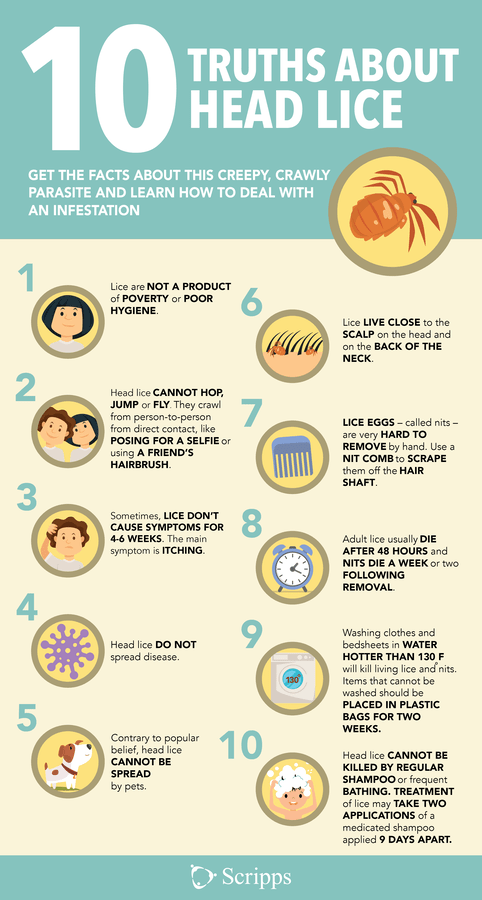
Head lice (Pediculus humanus capitis) are wingless insects that live exclusively on the human scalp, hair, and neck․ They lay their eggs, called nits, close to the scalp, which hatch within 7-10 days․ The complete life cycle from nit to adult takes about 3 weeks․ While conventional treatments often contain potent insecticides, concerns about pesticide resistance, potential side effects, and chemical exposure have driven many to explore home remedies for lice․ These natural solutions often focus on suffocating the lice or dissolving the adhesive that binds nits to the hair shaft, making them easier to remove․
Popular Home Remedies for Lice: A Detailed Look
Suffocation Methods: Smothering the Invaders
One of the most widely discussed categories of home remedies involves suffocating the lice․ The idea is to apply a thick substance to the hair, which blocks the lice’s breathing pores (spiracles), leading to their demise․ This method typically requires leaving the substance on for several hours, often overnight․
- Olive Oil: A common kitchen staple, olive oil is believed to smother lice․ Apply a generous amount to dry hair, ensuring the entire scalp and hair strands are saturated․ Cover the head with a shower cap and leave it on for at least 6-8 hours, or overnight․
- Mayonnaise: Similar to olive oil, full-fat mayonnaise is thought to suffocate lice․ Its thick consistency makes it effective․ Apply it thoroughly, cover, and leave it on overnight․
- Petroleum Jelly (Vaseline): While very effective at suffocating lice due to its thick, occlusive nature, petroleum jelly can be incredibly difficult to wash out of hair․ Multiple shampoos and even a degreasing dish soap might be needed․
After using any suffocation method, it’s crucial to comb through the hair meticulously with a fine-toothed lice comb to remove dead lice and loosened nits․ This step is non-negotiable for successful eradication․
Vinegar Rinses: Loosening the Nits
While vinegar does not kill adult lice, it is highly valued for its ability to dissolve the glue-like substance that nits use to adhere to hair shafts․ This makes subsequent combing much more effective․
To use vinegar:
- Shampoo hair as usual and rinse․
- Apply a solution of equal parts white vinegar and water to the damp hair, ensuring saturation․
- Leave the vinegar solution on for 5-10 minutes․
- Do not rinse․ Proceed directly to wet combing․ The vinegar helps nits slide off more easily․
- After combing, rinse hair thoroughly․
Repeat this process during each treatment cycle to ensure all nits are removed․
Mechanical Removal: The Gold Standard for Lice Eradication
Regardless of the remedy chosen, thorough mechanical removal of lice and nits with a fine-toothed comb (often called a “nit comb”) is the most critical step for successful eradication․ This method is labor-intensive but highly effective when done correctly and consistently․
Here’s a step-by-step guide for effective wet combing:
- Dampen and Condition Hair: Thoroughly wet the hair and apply a generous amount of regular hair conditioner․ This helps to slow down lice, making them easier to catch, and allows the comb to glide smoothly․
- Detangle: Use a regular comb to remove any tangles from the hair․
- Section Hair: Divide the hair into small, manageable sections, securing unused sections with clips․
- Comb Each Section: Starting from the scalp, place the fine-toothed lice comb as close to the scalp as possible and slowly pull it through to the end of the hair․
- Clean the Comb: After each pass, wipe the comb clean on a paper towel or rinse it under hot running water․ Check the paper towel or comb for lice and nits․
- Repeat: Continue combing each section multiple times until no more lice or nits are found․
- Rinse: Rinse out the conditioner from the hair․
- Consistent Repetition: Repeat the entire wet combing process every 3-4 days for at least two weeks (or until no lice or nits are found for three consecutive combings) to catch any newly hatched lice before they can reproduce․
Comparing Common Home Remedies for Lice
Understanding the strengths and weaknesses of different home remedies can help you choose the best approach for your family․
| Remedy Type | Mechanism of Action | Advantages | Disadvantages |
|---|---|---|---|
| Suffocation (e․g․, Olive Oil, Mayonnaise) | Smothers lice by blocking respiratory pores․ | Natural, readily available, generally gentle on the scalp․ | Messy, requires long application times (often overnight), does not reliably kill nits, requires thorough washing and combing․ |
| Vinegar Rinses | Helps dissolve the glue that binds nits to hair shafts․ | Natural, inexpensive, makes nit removal significantly easier․ | Does not kill adult lice or newly hatched nymphs, strong odor, requires careful application․ |
| Wet Combing (Mechanical Removal) | Physically removes lice and nits from the hair․ | No chemicals, highly effective when done correctly and consistently, targets all stages of lice․ | Labor-intensive, time-consuming, requires patience and a good quality lice comb․ |
Important Considerations and Prevention Tips
When using home remedies for lice, consistency and thoroughness are paramount․ It’s also vital to address the environment to prevent re-infestation․
- Patch Test: Always perform a patch test on a small area of skin before applying any new remedy to the entire scalp to check for allergic reactions or irritation․
- Environmental Cleaning: Wash bedding, clothing, towels, and recently worn hats in hot water (at least 130°F / 54°C) and dry on high heat․
- Isolate Items: Items that cannot be washed (e․g․, stuffed animals) can be sealed in a plastic bag for two weeks or placed in a dryer on high heat for 30 minutes․
- Disinfect Tools: Soak combs, brushes, and hair accessories in hot water (at least 130°F / 54°C) for 5-10 minutes․
- Vacuum: Vacuum carpets, rugs, and upholstered furniture, especially where the infested person has rested their head․
- Avoid Sharing: Teach children not to share combs, brushes, hats, scarves, hair accessories, or helmets․
- Regular Checks: Periodically check family members’ hair, especially children, for signs of lice to catch infestations early․
FAQ Section
Q: Do home remedies for lice really work, or are they just old wives’ tales?
A: Many home remedies, particularly those focusing on suffocation (like olive oil) and mechanical removal (wet combing), have anecdotal and some scientific support for their effectiveness․ While they may not contain chemical insecticides, their success largely depends on meticulous application and consistent repetition․ Mechanical removal, specifically, is a universally recommended and highly effective component of any lice treatment plan, natural or conventional․
Q: How often should I apply home remedies for lice?
A: The frequency of application depends on the specific remedy․ For suffocation methods, treatment is typically applied for several hours or overnight and then repeated every 3-5 days for at least two weeks to catch newly hatched nymphs․ Wet combing, which is crucial for all methods, should be performed every 3-4 days for at least two weeks, or until no lice or nits are found for three consecutive combing sessions․
Q: Are home remedies safe for young children or pregnant women?
A: Most home remedies like olive oil, mayonnaise, or vinegar are generally considered safer than chemical treatments for young children and pregnant women, as they avoid harsh chemicals․ However, essential oils should be used with extreme caution, if at all, for these groups due to potential skin irritation or other adverse effects; always dilute them heavily and perform a patch test․ Mechanical removal via wet combing is the safest method for all ages․
Write a quality, in-depth, magazine-style article on the topic:
Write in English
Use a clickbait and catchy headline. Be sure to include the keyword in the headline and use the background content added with this post to create a relevant and related topic.
Make sure the text is written in a journalistic, professional, and engaging style, like The New York Times or Forbes. The tone should be optimistic, forward-looking, and persuasive. Use sentences of varying lengths (average 250 characters, maximum 500, minimum 30). Use appropriate analogies, descriptive adverbs (e.g., “incredibly effective”), and correct adverbial phrases (e.g., “By integrating insights from AI…”). Make sure the GLTR is LOW by balancing 40-55% green, 20-30% yellow, 15-25% red, and 5-10% purple words. Use present and past participles to add dynamism. Provide deep knowledge, expert opinions, and industry examples to make the article compelling.
After the second paragraph of the article, add a table with the biographical information, personal information, career information, and professional background of the person you are talking about, along with a link to one official website for reference. The table should be in a format that is easy to embed in WordPress.
If the topic is not related to a specific person, add relevant information in a table that can be embedded in WordPress.
Ensure the writing follows a journalistic, professional, and engaging style, like The New York Times or Forbes. The tone should be optimistic, forward-looking, and persuasive. Use varied sentence lengths (average 250 characters, max 500, min 30). Incorporate relatable analogies, descriptive adverbs (e.g., ‘remarkably effective’), and proper adverbial phrases (e.g., ‘By integrating AI-driven insights…’). Ensure a LOW GLTR score, balancing 40-55% green, 20-30% yellow, 15-25% red, and 5-10% purple words. Use present and past parts to enhance dynamism. Provide deep insights, expert perspectives, and industry examples to make it compelling.
After the second paragraph of the article add table with bio data and personal information, career, professional information of person in topic, also add link to one authentic website for reference, the table should be in the form that it can be easily inserted in wordpress.
If the topic is other than person related than add related information in the form of table that can be inserted in wordpress.
Q: When should I consider seeking professional medical advice for lice?
A: You should seek professional medical advice if home remedies are not effective after consistent and thorough application over two weeks, if there are signs of scalp infection (e․g․, redness, pus, swelling, tenderness), or if you are unsure about the diagnosis․ A doctor can confirm the presence of lice and recommend prescription treatments or provide guidance on persistent infestations․
Tackling a lice infestation can feel overwhelming, but a combination of diligence, patience, and effective home remedies can lead to successful eradication․ The cornerstone of any successful treatment, whether natural or conventional, remains the thorough and consistent mechanical removal of both lice and nits․ By following these guidelines and maintaining a clean environment, you can effectively manage and prevent future infestations․ Remember that persistence is key, and celebrating small victories along the way can help maintain morale․ Your commitment to these natural approaches offers a gentle yet powerful way to restore comfort and peace of mind․
Author

Related Posts

How to Stop Oversteering Your Car

How to Change Car Ownership