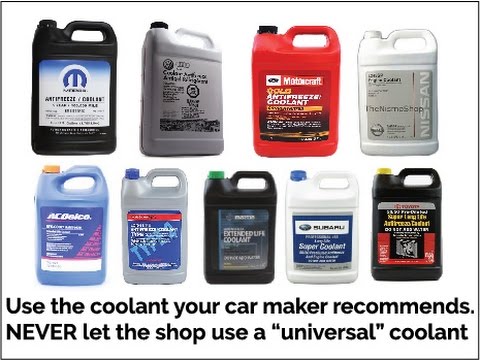
can you use any coolant in a car
The cooling system is a vital component of any vehicle, ensuring the engine operates within its optimal temperature range. Many car owners, when faced with a low coolant level, might wonder if grabbing any bottle of antifreeze from the auto parts store will suffice. This common misconception can, unfortunately, lead to significant and costly damage to their vehicle’s engine and cooling system components. It is crucial to understand that not all coolants are created equal, and using the wrong type can have severe repercussions for your car’s longevity and performance.
The Essential Role of Automotive Coolant Systems
Your car’s engine generates an immense amount of heat during operation. Without an effective cooling system, this heat would quickly lead to overheating, causing catastrophic engine failure. The coolant, a specialized fluid circulating through the engine block and radiator, plays a multifaceted role in preventing such scenarios. It absorbs excess heat from the engine and dissipates it through the radiator, maintaining a stable operating temperature.
Beyond heat transfer, coolant also contains crucial additives that protect the entire cooling system. These additives prevent corrosion, which can otherwise degrade metal components like the radiator, water pump, and heater core. Furthermore, coolant’s antifreeze properties ensure the fluid doesn’t freeze in cold temperatures, preventing expansion and cracking within the engine block or radiator. Its boiling point is also elevated, safeguarding against overheating even in extreme conditions.
Decoding Coolant Types: Not All Formulations Are Equal
The automotive industry has developed various coolant formulations, each designed for specific engine materials and operational requirements. These differences are not merely cosmetic; they reflect distinct chemical compositions and additive packages. Using an incompatible coolant can compromise its protective properties and even react negatively with existing fluid or system components.
Inorganic Acid Technology (IAT) Coolants
These are traditional coolants, often recognized by their bright green color. IAT coolants use silicates and phosphates as corrosion inhibitors, which form a protective layer on metal surfaces. While effective, these inhibitors deplete relatively quickly, typically requiring a flush and replacement every two years or 30,000 miles. IAT coolants are primarily found in older vehicles manufactured before the mid-1990s.
Organic Acid Technology (OAT) Coolants
OAT coolants are newer formulations, commonly seen in orange, red, pink, or blue colors, depending on the manufacturer. They utilize organic acids (carboxylates) for corrosion protection, which offer a much longer service life, often up to five years or 150,000 miles. OAT coolants protect by reacting directly with metal surfaces only where corrosion is starting, rather than coating the entire system. They are prevalent in many European and some Asian vehicles.
Write a quality, in-depth, magazine-style article on the topic:
Write in English
Use a clickbait and catchy headline. Be sure to include the keyword in the headline and use the background content added with this post to create a relevant and related topic.
Make sure the text is written in a journalistic, professional, and engaging style, like The New York Times or Forbes. The tone should be optimistic, forward-looking, and persuasive. Use sentences of varying lengths (average 250 characters, maximum 500, minimum 30). Use appropriate analogies, descriptive adverbs (e.g., “incredibly effective”), and correct adverbial phrases (e.g., “By integrating insights from AI…”). Make sure the GLTR is LOW by balancing 40-55% green, 20-30% yellow, 15-25% red, and 5-10% purple words. Use present and past participles to add dynamism. Provide deep knowledge, expert opinions, and industry examples to make the article compelling.
After the second paragraph of the article, add a table with the biographical information, personal information, career information, and professional background of the person you are talking about, along with a link to one official website for reference. The table should be in a format that is easy to embed in WordPress.
If the topic is not related to a specific person, add relevant information in a table that can be embedded in WordPress.
Ensure the writing follows a journalistic, professional, and engaging style, like The New York Times or Forbes. The tone should be optimistic, forward-looking, and persuasive. Use varied sentence lengths (average 250 characters, max 500, min 30). Incorporate relatable analogies, descriptive adverbs (e.g., ‘remarkably effective’), and proper adverbial phrases (e.g., ‘By integrating AI-driven insights…’). Ensure a LOW GLTR score, balancing 40-55% green, 20-30% yellow, 15-25% red, and 5-10% purple words. Use present and past parts to enhance dynamism. Provide deep insights, expert perspectives, and industry examples to make it compelling.
After the second paragraph of the article add table with bio data and personal information, career, professional information of person in topic, also add link to one authentic website for reference, the table should be in the form that it can be easily inserted in wordpress.
If the topic is other than person related than add related information in the form of table that can be inserted in wordpress.
Hybrid Organic Acid Technology (HOAT) Coolants
HOAT coolants represent a blend of IAT and OAT technologies, combining the best attributes of both. They incorporate both organic acids and silicates (or phosphates) to provide enhanced and long-lasting corrosion protection. HOAT coolants are often yellow, gold, or even sometimes pink or blue, and are widely used in many modern vehicles from manufacturers like Ford, Chrysler, and some Asian brands. Their service life typically falls between IAT and OAT, often around five years or 100,000 miles.
Specialized Coolant Varieties
Beyond the main categories, there are further specialized coolants like P-HOAT (Phosphate Hybrid Organic Acid Technology) and Si-HOAT (Silicated Hybrid Organic Acid Technology), tailored to specific OEM requirements, particularly from Asian and European manufacturers. These variations underscore the complexity and the need for precision when selecting coolant.
The Risks of Mixing Incompatible Antifreeze Solutions
The consequences of mixing different coolant types can range from minor inconveniences to severe engine damage. It’s a risk not worth taking. Incompatible formulations can react negatively, leading to a breakdown of the protective additives.
- Sludge Formation: Mixing IAT and OAT coolants can cause the silicates and organic acids to react, forming a gel-like sludge. This sludge can clog the radiator, heater core, and coolant passages, severely impeding heat transfer.
- Corrosion Acceleration: The protective properties of both coolants can be neutralized, leaving metal components vulnerable to rapid corrosion and degradation.
- Reduced Heat Transfer: Clogging and chemical breakdown lead to inefficient heat dissipation, increasing the risk of engine overheating.
- Component Damage: Water pump seals can be compromised, leading to leaks, and other cooling system components may suffer premature failure.
- Warranty Issues: Using the incorrect coolant can void your vehicle’s warranty for cooling system components.
Identifying the Correct Coolant for Your Vehicle
Ensuring you use the right coolant is paramount for your vehicle’s health. Fortunately, determining the correct type is a straightforward process if you know where to look.
- Consult Your Owner’s Manual: This is the most reliable source of information. Your vehicle’s owner’s manual will specify the exact type of coolant required, often by a specific standard or brand recommendation.
- Check the Coolant Reservoir Cap: Some vehicles have labels directly on the coolant reservoir cap or tank indicating the coolant type or color.
- Look for Service Records: If you’re unsure what type was previously used, check service records or contact the mechanic who last serviced your cooling system.
- Match OEM Specifications: When purchasing, always look for coolants that explicitly state they meet your vehicle manufacturer’s specifications (e.g., Dex-Cool for GM, G48 for BMW/Mercedes).
Always remember that while color can be a general indicator, it is not a definitive guide. Manufacturers sometimes use different dyes for the same chemical formulation, and conversely, different formulations can share similar colors. Prioritize the specification over color every time.
Coolant Type Comparison Table
| Coolant Type | Common Colors | Key Inhibitors | Typical Lifespan | Common Vehicle Eras/Types |
|---|---|---|---|---|
| IAT (Inorganic Acid Technology) | Green | Silicates, Phosphates | 2 years / 30,000 miles | Older vehicles (pre-mid-90s) |
| OAT (Organic Acid Technology) | Orange, Red, Pink, Blue | Carboxylates (Organic Acids) | 5 years / 150,000 miles | Many European and some Asian models (post-mid-90s) |
| HOAT (Hybrid Organic Acid Technology) | Yellow, Gold, Pink, Blue | Organic Acids + Silicates/Phosphates | 5 years / 100,000 miles | Many North American and some Asian models (modern) |
Frequently Asked Questions About Car Coolant Compatibility
Can I just add water if I’m low on coolant?
While adding a small amount of distilled water in an emergency won’t cause immediate catastrophic failure, it’s not a long-term solution. Water dilutes the antifreeze and corrosion inhibitors, reducing their effectiveness. Always aim to top off with the correct 50/50 mix of coolant and distilled water, or a pre-mixed solution.
What happens if I mix two different coolant colors?
Mixing coolants of different colors, especially different technologies (e.g., green IAT with orange OAT), can lead to chemical reactions that form sludge, degrade protective additives, and cause cooling system blockages. This can result in overheating and costly repairs. Always refer to the owner’s manual for the correct type, not just color.
How often should I flush and replace my coolant?
The frequency depends entirely on the type of coolant your vehicle uses. IAT coolants typically need replacement every 2 years or 30,000 miles, while OAT and HOAT coolants can last 5 years or up to 150,000 miles. Always follow your vehicle manufacturer’s recommendations outlined in the owner’s manual.
Are “universal” coolants safe to use?
Many “universal” or “all-makes, all-models” coolants are HOAT-based and claim compatibility. While they might be suitable for a wide range of vehicles, it’s always best to verify that they explicitly meet your car’s specific OEM specifications, if listed. If in doubt, stick to the exact type recommended by your manufacturer to avoid potential issues.
Author
