Navigating NSW Vehicle Registration A Comprehensive Guide
Navigating the process of vehicle registration in New South Wales (NSW) can seem daunting, but it is a fundamental requirement for all vehicle owners. Proper registration ensures your vehicle is roadworthy, insured, and legally permitted to be on public roads. This comprehensive guide aims to demystify the steps involved, whether you’re registering a brand-new car, a used vehicle, or one brought in from interstate. Understanding each stage is crucial for a smooth and efficient experience, allowing you to enjoy your driving with peace of mind.
Understanding NSW Vehicle Registration Requirements
Before you can legally drive your vehicle on NSW roads, it must be registered with Transport for NSW. This process involves several key steps and requires specific documentation to confirm your identity, address, and the vehicle’s roadworthiness. Failing to register your vehicle can lead to significant fines and penalties, so knowing what’s required from the outset is vital.
Essential Documentation for NSW Car Registration
To successfully register a vehicle in NSW, you will need to present various documents. These are critical for verifying your ownership and ensuring all legal prerequisites are met. Gathering these items beforehand will significantly streamline your application process.
- Proof of Identity: Acceptable forms include a NSW Driver Licence, passport, or Medicare card.
- Proof of Residency in NSW: Documents such as a utility bill, bank statement, or rates notice.
- Vehicle Details: Previous registration papers (if applicable), import approval (for imported vehicles), or a new vehicle delivery receipt.
- Safety Inspection Report: Depending on your vehicle’s age and origin, either a Pink Slip or a Blue Slip.
- Compulsory Third Party (CTP) Insurance (Green Slip): Proof that you have secured CTP insurance for your vehicle.
- Application for Registration Form: Available online or at Service NSW centres.
Step-by-Step Process for Registering Your Vehicle in NSW
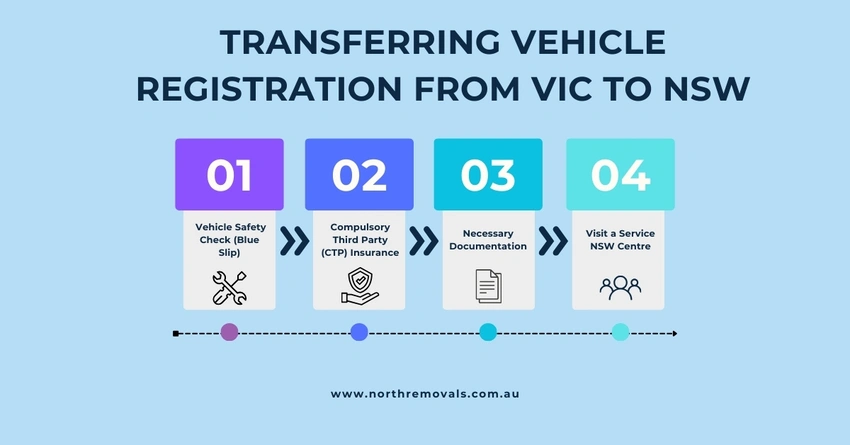
The registration journey in NSW typically follows a structured path, ensuring all safety and insurance criteria are met before a vehicle is approved for road use. While minor variations exist for different vehicle types, the core stages remain consistent. Here’s a breakdown of the general procedure:
| Stage Number | Description of Stage | Key Action Required |
|---|---|---|
| 1 | Obtain a Safety Inspection Report | Arrange for a Pink Slip (if applicable) or Blue Slip inspection. |
| 2 | Purchase Compulsory Third Party (CTP) Insurance | Shop for and buy a Green Slip from an approved insurer. |
| 3 | Complete the Registration Application | Fill out the required forms with all necessary details. |
| 4 | Submit Application and Pay Fees | Visit a Service NSW centre or use online services to finalise. |
| 5 | Receive Registration Papers and Plates | Collect your registration certificate and vehicle number plates. |
Understanding Inspection Requirements: Pink Slip vs. Blue Slip
A crucial part of registering your vehicle is obtaining a safety inspection report. This report confirms that your vehicle meets the minimum safety standards required to be on NSW roads. The type of inspection needed depends on your vehicle’s circumstances.
- Pink Slip (eSafety Check): Required for light vehicles more than five years old when renewing registration. It’s an annual safety inspection performed at authorised inspection stations.
- Blue Slip (Authorised Unregistered Vehicle Inspection): Necessary for vehicles that are unregistered, new to NSW from interstate or overseas, or have had significant modifications. This is a more comprehensive inspection covering both safety and identity checks.
Securing Your Compulsory Third Party (CTP) Insurance (Green Slip)
Before your vehicle can be registered, you must purchase CTP insurance, commonly known as a Green Slip. This insurance covers personal injury to others if your vehicle is involved in an accident. It does not cover damage to vehicles or property. You can purchase a Green Slip from various approved insurers in NSW, and it’s wise to compare quotes to find the best policy for your needs.
Submitting Your Application and Finalizing Registration
Once you have your safety inspection report and CTP insurance, you’re ready to submit your registration application. This can typically be done at a Service NSW centre in person, or for some renewals, online. You will need to present all your documents and pay the required registration fees, which include a motor vehicle tax based on your vehicle’s weight and type.
Registering Different Types of Vehicles
While the core steps remain, the specifics of vehicle registration can vary based on whether you’re registering a new car, a used one, or a vehicle from outside NSW. Each scenario presents unique considerations that you should be aware of to avoid delays.
Registering a New Vehicle in NSW
When purchasing a new vehicle from a dealership in NSW, the process is often simplified. Dealers typically handle much of the initial registration paperwork, including the application and sometimes even the CTP insurance. You will still need to provide your personal details and proof of identity.
Registering a Used Vehicle Purchased in NSW
If you buy a used vehicle that is already registered in NSW, you primarily need to complete a transfer of registration. The seller provides you with a ‘Notice of Disposal,’ and you, as the buyer, must complete a ‘Transfer of Registration’ form within 14 days of purchase. A safety inspection (Pink Slip) might be required if the registration is due for renewal soon.
Registering Vehicles from Interstate or Overseas
Vehicles brought into NSW from another Australian state or from overseas require a Blue Slip inspection. This comprehensive check verifies the vehicle’s identity, roadworthiness, and compliance with NSW standards. For overseas imports, you’ll also need import approval documentation from the Australian Government before you can proceed with NSW registration.
Frequently Asked Questions (FAQ)
Q1: How long does vehicle registration typically last in NSW?
A: Most vehicle registrations in NSW are valid for a period of 12 months. You will receive a renewal notice before your registration expires, prompting you to complete the necessary steps to renew it.
Q2: What happens if I miss my vehicle registration renewal date?
A: If you miss your registration renewal date, your vehicle becomes unregistered. Driving an unregistered vehicle is illegal and can result in significant fines. You must complete a Blue Slip inspection if your registration has been expired for more than three months before you can re-register it.
Q3: Can someone else register my vehicle for me in NSW?
A: Yes, it is possible for someone else to register your vehicle on your behalf. They will need to bring an original letter of authorisation from you, along with their own proof of identity and all required vehicle documents.
Q4: What’s the main difference between a Pink Slip and a Blue Slip?
A: A Pink Slip (eSafety Check) is a safety inspection for light vehicles over five years old to renew registration. A Blue Slip (Authorised Unregistered Vehicle Inspection) is a more comprehensive check required for unregistered vehicles, new interstate/overseas vehicles, or significantly modified vehicles, covering both safety and identity.
Q5: Is it possible to get a refund on registration if I sell my car?
A: Yes, if you sell your car and it still has more than three months of registration remaining, you may be eligible for a pro-rata refund on the motor vehicle tax portion of your registration fees from Transport for NSW. CTP insurance is typically non-refundable or only partially refundable by the insurer.
Registering a vehicle in New South Wales is a straightforward process when you understand the requirements and follow the outlined steps. From obtaining the correct safety inspection to securing CTP insurance and submitting your application, each stage is designed to ensure your vehicle is safe and legally compliant. By preparing your documentation and understanding the specific needs for different vehicle types, you can navigate the process efficiently. Remember, timely registration is not just a legal obligation; it’s a commitment to road safety for yourself and others. Following this guide will help you get your vehicle on the road with confidence and without unnecessary hassle.
Author
