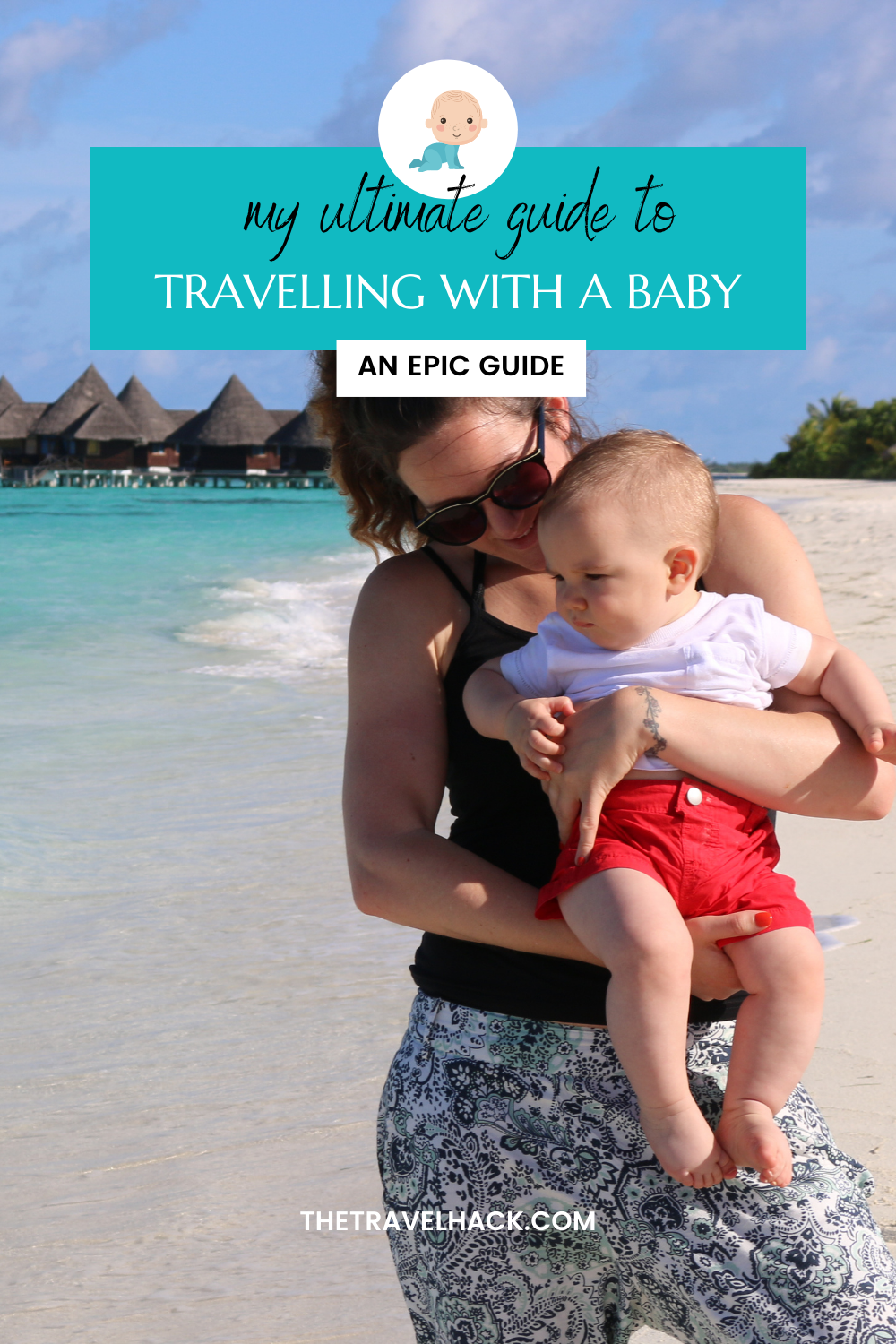
Your Guide to Traveling with a Newborn
Embarking on a journey with a newborn can feel like a monumental task, filled with questions about safety, timing, and logistics. Many new parents eagerly anticipate their first family trip but often wonder about the optimal age to introduce their little one to the world beyond their home. Deciding when you can travel with a newborn involves careful consideration of their delicate health, your comfort as parents, and the practicalities of different modes of transport. This comprehensive guide aims to illuminate the key factors and offer practical advice to help you plan your infant’s first adventures, ensuring a smooth and enjoyable experience for everyone involved.
Understanding the Best Time for Infant Journeys
The question of “when can you travel with a newborn” doesn’t have a single, definitive answer, as it largely depends on the baby’s health, the parents’ comfort level, and the chosen method of travel. Generally, pediatricians often recommend waiting until a newborn is at least a few weeks old, preferably between 2 to 3 months, before extensive travel. This initial period allows the baby’s immune system to develop somewhat and for any underlying health issues to become apparent. Short, local outings are excellent for practice, helping both parents and baby adjust to being out and about.
Air Travel Considerations for Your Little One
Air travel with a newborn introduces unique challenges, primarily due to cabin pressure changes and exposure to various germs. Most airlines permit infants as young as two days old to fly, but many medical professionals advise waiting until the baby is at least 1-2 months old. This waiting period is crucial for their developing lungs and ears to better cope with the pressure changes during takeoff and landing. Furthermore, a slightly older baby has a more robust immune system, offering better protection against airborne illnesses present in enclosed spaces.
When planning to travel with a newborn by air, here are some key policies and recommendations:
- Airline Age Limits: While many airlines allow infants as young as 48 hours, a doctor’s note might be required for babies under two weeks old. Always check your specific airline’s policy.
- Lap Infant Rules: Infants typically fly free or for a reduced fee on a parent’s lap, usually until their second birthday. However, for enhanced safety, purchasing a separate seat and using an FAA-approved car seat is highly recommended.
- Booking Strategies: Consider booking flights during your baby’s nap times to maximize their sleep during the journey. Direct flights are always preferable to minimize disruptions and transfers.
- Feeding During Takeoff/Landing: Breastfeeding or bottle-feeding your baby during ascent and descent can help equalize ear pressure, making the experience more comfortable for them.
Road Trips with a New Baby: What to Know
Road trips offer more flexibility and control compared to air travel, making them a popular choice for parents contemplating their first trip with a baby. You can stop whenever needed, adjust schedules, and pack more essentials. However, even car travel requires careful planning, especially regarding car seat safety and ensuring the baby’s comfort for extended periods. It’s vital to ensure the car seat is properly installed and the baby is securely fastened, with no loose straps or bulky clothing interfering with the harness.
For a successful road trip with your infant, remember these points:
- Frequent Stops: Plan to stop every 2-3 hours for feeding, diaper changes, and to allow your baby to stretch out of their car seat. Prolonged time in a car seat can restrict breathing for newborns.
- Car Seat Safety: Always use a rear-facing car seat correctly installed according to the manufacturer’s instructions and local laws. Never leave your baby unattended in the car.
- Packing Essentials: Bring extra diapers, wipes, changes of clothes, blankets, burp cloths, formula/breast milk, and a first-aid kit. A portable changing mat is invaluable.
- Temperature Control: Ensure the car’s temperature is comfortable for the baby, not too hot or too cold. Avoid direct sunlight on their face.
- Entertainment (for older infants): While newborns sleep a lot, soft toys or music can be soothing for slightly older babies during awake periods.
Preparing for Your Newborn’s First Adventure
Preparation is paramount when you’re planning to travel with a newborn, regardless of the destination or mode of transport. A well-prepared parent is a confident parent, and that confidence translates into a calmer environment for the baby. Start planning weeks in advance, making lists and gathering all necessary items. This proactive approach helps alleviate stress and ensures you haven’t forgotten anything crucial for your infant’s well-being. Think about what your baby needs daily and how those needs will be met away from home.
| Travel Mode | Advantages for Newborns | Disadvantages for Newborns | Key Considerations |
|---|---|---|---|
| Car Travel | Flexibility, direct stops, more luggage space, familiar environment. | Long stretches in car seat, potential for motion sickness, driver fatigue. | Frequent breaks (every 2-3 hours), proper car seat installation, temperature control. |
| Air Travel | Speed, covers long distances quickly, can be convenient for international trips. | Cabin pressure changes, exposure to germs, restricted movement, limited space. | Wait until 1-2 months old, feed during ascent/descent, consider separate seat for car seat. |
| Train Travel | More space to move around, restrooms, scenic views, generally smooth ride. | Can be slower than flying, limited direct routes, fewer private spaces than car. | Book a family cabin if available, bring stroller for aisles, manage luggage. |
Essential Tips for Smooth Travels with Your Infant
Beyond choosing the right time and mode of transport, several practical tips can significantly improve your travel experience with a newborn. Maintaining your baby’s routine as much as possible, even while away from home, can help them feel secure and reduce fussiness. Be adaptable, as travel plans with a baby rarely go exactly as anticipated; flexibility is your best friend. Remember that babies are often more resilient than we give them credit for, and a calm parent often leads to a calm baby.
Health and Safety First
Before any significant trip, especially when traveling with a newborn, a visit to your pediatrician is highly recommended. Discuss your travel plans, inquire about any necessary vaccinations, and get advice specific to your baby’s health. Ensure you have all necessary medical documents, including copies of birth certificates and health insurance information. It’s also wise to research local medical facilities at your destination and have emergency contact numbers readily available. Prioritizing your infant’s health and safety will provide peace of mind throughout your journey.
Frequently Asked Questions About Traveling with a Newborn
Here are some common questions parents ask when considering their first trip with a newborn:
Q1: Is it safe to travel with a newborn on a plane?
A1: Generally, it is safe, but most pediatricians recommend waiting until a baby is at least 1-2 months old. This allows their immune system to develop and their ears to better handle pressure changes. Always consult your pediatrician before flying.
Q2: What’s the ideal age to start traveling with a baby?
A2: While some travel can begin within weeks, many parents find 2-3 months to be an ideal age. At this point, babies have had their initial vaccinations, their feeding schedules might be more predictable, and they are generally more robust for travel.
Q3: What should I pack for a newborn’s first trip?
A3: Essentials include plenty of diapers, wipes, changing pads, multiple changes of clothes for the baby (and yourself!), formula/breast milk and feeding supplies, burp cloths, a first-aid kit, baby toiletries, and any comfort items like a favorite blanket or pacifier.
Q4: How do I manage jet lag with a baby?
A4: Adjust your baby’s sleep and feeding schedule gradually a few days before travel. Upon arrival, expose them to natural light during the day and keep nighttime dark and quiet. Try to stick to the new local schedule as much as possible, even if it means waking them for feeds or naps.
Q5: Can I get a separate seat for my newborn?
A5: Yes, you can and it is highly recommended for safety. While infants can typically fly on a parent’s lap, purchasing a separate seat allows you to use an FAA-approved car seat, which is the safest way for a baby to travel by air.
Embarking on travel with a newborn can seem daunting, but with proper planning and a flexible mindset, it can be a rewarding experience for the whole family. Prioritize your baby’s health and comfort, consulting with your pediatrician about any concerns before departure. Remember to pack smart, anticipate potential challenges, and allow extra time for everything. Embrace the journey, cherishing these precious early moments as you explore the world together. Your first family adventure is not just about the destination, but about the wonderful memories you create along the way.
Embarking on a journey with a newborn can feel like a monumental task, filled with questions about safety, timing, and logistics. Many new parents eagerly anticipate their first family trip but often wonder about the optimal age to introduce their little one to the world beyond their home. Deciding when you can travel with a newborn involves careful consideration of their delicate health, your comfort as parents, and the practicalities of different modes of transport. This comprehensive guide aims to illuminate the key factors and offer practical advice to help you plan your infant’s first adventures, ensuring a smooth and enjoyable experience for everyone involved.
The question of “when can you travel with a newborn” doesn’t have a single, definitive answer, as it largely depends on the baby’s health, the parents’ comfort level, and the chosen method of travel. Generally, pediatricians often recommend waiting until a newborn is at least a few weeks old, preferably between 2 to 3 months, before extensive travel. This initial period allows the baby’s immune system to develop somewhat and for any underlying health issues to become apparent; Short, local outings are excellent for practice, helping both parents and baby adjust to being out and about.
Air travel with a newborn introduces unique challenges, primarily due to cabin pressure changes and exposure to various germs. Most airlines permit infants as young as two days old to fly, but many medical professionals advise waiting until the baby is at least 1-2 months old. This waiting period is crucial for their developing lungs and ears to better cope with the pressure changes during takeoff and landing. Furthermore, a slightly older baby has a more robust immune system, offering better protection against airborne illnesses present in enclosed spaces.
When planning to travel with a newborn by air, here are some key policies and recommendations:
- Airline Age Limits: While many airlines allow infants as young as 48 hours, a doctor’s note might be required for babies under two weeks old. Always check your specific airline’s policy.
- Lap Infant Rules: Infants typically fly free or for a reduced fee on a parent’s lap, usually until their second birthday. However, for enhanced safety, purchasing a separate seat and using an FAA-approved car seat is highly recommended.
- Booking Strategies: Consider booking flights during your baby’s nap times to maximize their sleep during the journey. Direct flights are always preferable to minimize disruptions and transfers.
- Feeding During Takeoff/Landing: Breastfeeding or bottle-feeding your baby during ascent and descent can help equalize ear pressure, making the experience more comfortable for them.
Road trips offer more flexibility and control compared to air travel, making them a popular choice for parents contemplating their first trip with a baby. You can stop whenever needed, adjust schedules, and pack more essentials. However, even car travel requires careful planning, especially regarding car seat safety and ensuring the baby’s comfort for extended periods. It’s vital to ensure the car seat is properly installed and the baby is securely fastened, with no loose straps or bulky clothing interfering with the harness.
For a successful road trip with your infant, remember these points:
- Frequent Stops: Plan to stop every 2-3 hours for feeding, diaper changes, and to allow your baby to stretch out of their car seat. Prolonged time in a car seat can restrict breathing for newborns.
- Car Seat Safety: Always use a rear-facing car seat correctly installed according to the manufacturer’s instructions and local laws. Never leave your baby unattended in the car.
- Packing Essentials: Bring extra diapers, wipes, changes of clothes, blankets, burp cloths, formula/breast milk, and a first-aid kit. A portable changing mat is invaluable.
- Temperature Control: Ensure the car’s temperature is comfortable for the baby, not too hot or too cold. Avoid direct sunlight on their face.
- Entertainment (for older infants): While newborns sleep a lot, soft toys or music can be soothing for slightly older babies during awake periods.
Preparation is paramount when you’re planning to travel with a newborn, regardless of the destination or mode of transport. A well-prepared parent is a confident parent, and that confidence translates into a calmer environment for the baby. Start planning weeks in advance, making lists and gathering all necessary items. This proactive approach helps alleviate stress and ensures you haven’t forgotten anything crucial for your infant’s well-being. Think about what your baby needs daily and how those needs will be met away from home.
| Travel Mode | Advantages for Newborns | Disadvantages for Newborns | Key Considerations |
|---|---|---|---|
| Car Travel | Flexibility, direct stops, more luggage space, familiar environment. | Long stretches in car seat, potential for motion sickness, driver fatigue. | Frequent breaks (every 2-3 hours), proper car seat installation, temperature control. |
| Air Travel | Speed, covers long distances quickly, can be convenient for international trips. | Cabin pressure changes, exposure to germs, restricted movement, limited space. | Wait until 1-2 months old, feed during ascent/descent, consider separate seat for car seat. |
| Train Travel | More space to move around, restrooms, scenic views, generally smooth ride. | Can be slower than flying, limited direct routes, fewer private spaces than car. | Book a family cabin if available, bring stroller for aisles, manage luggage. |
Beyond choosing the right time and mode of transport, several practical tips can significantly improve your travel experience with a newborn. Maintaining your baby’s routine as much as possible, even while away from home, can help them feel secure and reduce fussiness. Be adaptable, as travel plans with a baby rarely go exactly as anticipated; flexibility is your best friend. Remember that babies are often more resilient than we give them credit for, and a calm parent often leads to a calm baby.
Before any significant trip, especially when traveling with a newborn, a visit to your pediatrician is highly recommended. Discuss your travel plans, inquire about any necessary vaccinations, and get advice specific to your baby’s health. Ensure you have all necessary medical documents, including copies of birth certificates and health insurance information. It’s also wise to research local medical facilities at your destination and have emergency contact numbers readily available. Prioritizing your infant’s health and safety will provide peace of mind throughout your journey.
Here are some common questions parents ask when considering their first trip with a newborn:
Q1: Is it safe to travel with a newborn on a plane?
A1: Generally, it is safe, but most pediatricians recommend waiting until a baby is at least 1-2 months old. This allows their immune system to develop and their ears to better handle pressure changes. Always consult your pediatrician before flying.
Q2: What’s the ideal age to start traveling with a baby?
A2: While some travel can begin within weeks, many parents find 2-3 months to be an ideal age. At this point, babies have had their initial vaccinations, their feeding schedules might be more predictable, and they are generally more robust for travel.
Q3: What should I pack for a newborn’s first trip?
A3: Essentials include plenty of diapers, wipes, changing pads, multiple changes of clothes for the baby (and yourself!), formula/breast milk and feeding supplies, burp cloths, a first-aid kit, baby toiletries, and any comfort items like a favorite blanket or pacifier.
Q4: How do I manage jet lag with a baby?
A4: Adjust your baby’s sleep and feeding schedule gradually a few days before travel. Upon arrival, expose them to natural light during the day and keep nighttime dark and quiet. Try to stick to the new local schedule as much as possible, even if it means waking them for feeds or naps.
Q5: Can I get a separate seat for my newborn?
A5: Yes, you can and it is highly recommended for safety. While infants can typically fly on a parent’s lap, purchasing a separate seat allows you to use an FAA-approved car seat, which is the safest way for a baby to travel by air.
Embarking on travel with a newborn can seem daunting, but with proper planning and a flexible mindset, it can be a rewarding experience for the whole family. Prioritize your baby’s health and comfort, consulting with your pediatrician about any concerns before departure. Remember to pack smart, anticipate potential challenges, and allow extra time for everything. Embrace the journey, cherishing these precious early moments as you explore the world together. Your first family adventure is not just about the destination, but about the wonderful memories you create along the way.
Author
