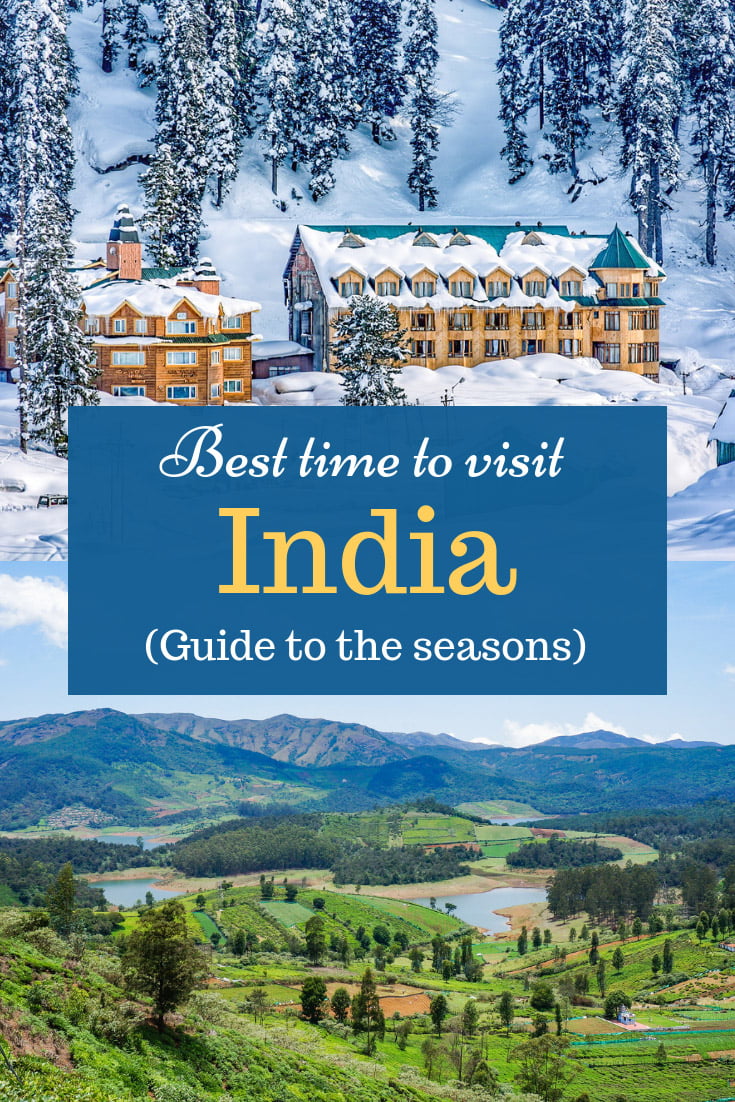
When to Visit India Your Essential Guide to Seasonal Wonders
India, a land of unparalleled diversity and vibrant culture, beckons travelers with its ancient traditions, breathtaking landscapes, and culinary delights. Planning a trip to this incredible country requires careful consideration of its varied climate, as the subcontinent experiences distinct seasons that can significantly impact your travel experience. Understanding the nuances of each period will help you tailor your journey to your preferences, ensuring a memorable and comfortable adventure. From the snow-capped Himalayas in the north to the sun-kissed beaches in the south, India’s weather patterns demand attention.
Winter Wonders: The Peak Season for India Travel (October to March)
The period from October to March is widely regarded as the best time to visit most parts of India. During these months, the weather is generally cool, dry, and pleasant, making it ideal for sightseeing, outdoor activities, and exploring the country’s rich heritage. This is a popular choice for many international visitors.
Golden Months: October to December
As the monsoon rains recede, October ushers in clear skies and comfortable temperatures, especially in North India. This period is perfect for exploring Rajasthan’s majestic forts and palaces, visiting the iconic Taj Mahal, or embarking on a spiritual journey to Varanasi. The weather remains delightful, often sunny but not overly hot. November continues this trend, offering excellent conditions across the country. December brings cooler temperatures, particularly in the northern plains, where evenings can be quite chilly. These months are also rich in festivals, adding another layer of vibrancy to your trip.
Pleasant Peaks: January to March
January, though cold in the northern plains, is still a fantastic time for travel, particularly in central and southern India. The weather in Goa and Kerala is idyllic, perfect for beach holidays and backwater cruises. As February progresses, temperatures begin to rise slightly, but conditions remain very comfortable for exploring. March sees the onset of warmer weather, especially towards the end of the month, but it’s still an excellent window to visit before the intense summer heat sets in. Many regions celebrate the vibrant Holi festival in March, a truly unforgettable experience.
Summer Challenges and Mountain Retreats (April to June)
While generally considered the off-season for most of India due to intense heat, the summer months still hold appeal for specific regions and types of travelers. The plains can reach scorching temperatures, often exceeding 40°C (104°F).
Heat and Heights: April and May
April and May are the hottest months in much of India. Traveling through the plains during this time can be challenging due to the oppressive heat. However, this is the prime season to explore India’s magnificent hill stations and mountainous regions. Destinations like Shimla, Manali, Darjeeling, and the entire Himalayan belt offer a refreshing escape from the heat, with pleasant temperatures and breathtaking vistas. Trekkers and nature lovers will find these months ideal for high-altitude adventures.
Write a quality, in-depth, magazine-style article on the topic:
Write in English
Use a clickbait and catchy headline. Be sure to include the keyword in the headline and use the background content added with this post to create a relevant and related topic.
Make sure the text is written in a journalistic, professional, and engaging style, like The New York Times or Forbes. The tone should be optimistic, forward-looking, and persuasive. Use sentences of varying lengths (average 250 characters, maximum 500, minimum 30). Use appropriate analogies, descriptive adverbs (e.g., “incredibly effective”), and correct adverbial phrases (e.g., “By integrating insights from AI…”). Make sure the GLTR is LOW by balancing 40-55% green, 20-30% yellow, 15-25% red, and 5-10% purple words. Use present and past participles to add dynamism. Provide deep knowledge, expert opinions, and industry examples to make the article compelling.
After the second paragraph of the article, add a table with the biographical information, personal information, career information, and professional background of the person you are talking about, along with a link to one official website for reference. The table should be in a format that is easy to embed in WordPress.
If the topic is not related to a specific person, add relevant information in a table that can be embedded in WordPress.
Ensure the writing follows a journalistic, professional, and engaging style, like The New York Times or Forbes. The tone should be optimistic, forward-looking, and persuasive. Use varied sentence lengths (average 250 characters, max 500, min 30). Incorporate relatable analogies, descriptive adverbs (e.g., ‘remarkably effective’), and proper adverbial phrases (e.g., ‘By integrating AI-driven insights…’). Ensure a LOW GLTR score, balancing 40-55% green, 20-30% yellow, 15-25% red, and 5-10% purple words. Use present and past parts to enhance dynamism. Provide deep insights, expert perspectives, and industry examples to make it compelling.
After the second paragraph of the article add table with bio data and personal information, career, professional information of person in topic, also add link to one authentic website for reference, the table should be in the form that it can be easily inserted in wordpress.
If the topic is other than person related than add related information in the form of table that can be inserted in wordpress.
Monsoon Magic: A Unique Perspective (July to September)
The monsoon season, characterized by heavy rainfall, transforms India into a lush, green paradise. While it may deter some travelers, others find it to be a uniquely beautiful and soulful time to visit.
Rains and Renewal: July to September
From July to September, most of India experiences the monsoon. While travel can be disrupted by heavy rains and occasional flooding, certain regions offer distinct advantages. The Western Ghats, including states like Kerala and Goa, become incredibly verdant and picturesque. This is also an excellent time for Ayurvedic treatments, which are traditionally believed to be more effective during the monsoon. Rajasthan, being a relatively arid region, receives less rainfall compared to other parts, making it somewhat manageable, though still warm and humid. The monsoon brings a freshness to the air and a vibrant intensity to nature.
Choosing Your Ideal Time: Seasonal Considerations
The best time for your India adventure largely depends on your travel goals. Are you seeking cultural immersion, beach relaxation, mountain trekking, or wildlife safaris? Each season offers a different facet of this incredible nation.
| Season | Months | Pros | Cons | Best For |
|---|---|---|---|---|
| Winter (Peak Season) | Oct ⏤ Mar | Pleasant weather, ideal for sightseeing, festivals, wildlife. | Crowds, higher prices (especially Dec-Jan). | Cultural tours, desert safaris, beach holidays (South), general sightseeing. |
| Summer (Off-Season) | Apr ⏤ Jun | Fewer crowds in plains, ideal for Himalayas, lower prices. | Extreme heat in plains, challenging for non-mountain travel. | Hill stations, trekking in Himalayas, spiritual retreats. |
| Monsoon (Shoulder Season) | Jul ⏤ Sep | Lush green landscapes, fewer tourists, unique atmosphere, Ayurvedic treatments. | Heavy rains, humidity, potential travel disruptions, limited activities. | Nature photography, Ayurvedic wellness, Western Ghats exploration. |
Essential Tips for Planning Your Indian Adventure
When preparing for your trip, consider these practical tips to ensure a smooth and enjoyable experience, regardless of the season you choose.
- Book Accommodations in Advance: Especially during the peak winter season, popular destinations can fill up quickly. Secure your stays well ahead of time.
- Pack Appropriately: Light cotton clothes for summer/monsoon, layers for winter. Always include comfortable walking shoes.
- Stay Hydrated: This is crucial in India, particularly outside of the coldest winter months. Drink plenty of bottled water.
- Consider Travel Insurance: Unexpected events can happen. Comprehensive travel insurance offers peace of mind.
- Be Flexible: India is full of surprises. Embrace the journey and be open to minor changes in your itinerary;
Here are some popular destinations categorized by their ideal travel seasons:
- Winter (Oct-Mar): Rajasthan (Jaipur, Udaipur, Jodhpur), Delhi, Agra, Goa, Kerala, Varanasi, Mumbai.
- Summer (Apr-Jun): Shimla, Manali, Leh-Ladakh, Darjeeling, Gangtok, Ooty.
- Monsoon (Jul-Sep): Kerala (backwaters, Ayurvedic resorts), Goa (lush landscapes, fewer crowds), Western Ghats (Munnar, Coorg), Valley of Flowers (Uttarakhand).
Frequently Asked Questions About India Travel Timing
Q: Is it advisable to travel to India during the monsoon season?
A: While challenging due to rain and humidity, the monsoon season (July-September) offers a unique perspective of India. Landscapes are lush, and popular sites are less crowded. It’s ideal for those seeking a tranquil, green experience or interested in Ayurvedic wellness.
Q: When are the major festivals in India, and how do they impact travel?
A: Many major festivals like Diwali (October/November), Holi (March), and Durga Puja (September/October) fall during the cooler months. While they offer incredible cultural experiences, travel during these times can mean higher prices, more crowds, and some business closures. Plan and book well in advance.
Q: Does the best time to visit vary significantly by region?
A: Absolutely. While winter (October-March) is generally best for plains and southern India, summer (April-June) is perfect for the Himalayan regions. The monsoon period has its charm in specific areas like the Western Ghats. Always research the specific region you plan to visit.
Q: Are travel costs different depending on the season?
A: Yes, generally. Winter (October-March) is peak season, leading to higher prices for flights, hotels, and tours. Summer and monsoon seasons often see lower prices due to fewer tourists, though exceptions apply for popular hill stations during summer.
Q: What should I pack if I’m traveling during the shoulder seasons (October or March)?
A: For shoulder seasons, it’s best to pack layers. Days can be pleasantly warm, but evenings can cool down significantly, especially in northern India. Light jackets or sweaters are advisable in addition to breathable clothing.
India is a land of incredible contrasts, where every season paints a different picture of its diverse landscapes and cultures. Whether you seek the warmth of its winter sun, the cool embrace of its mountain retreats, or the lush beauty of its monsoon rains, there is an ideal time for every traveler. Careful planning, coupled with an understanding of India’s climatic patterns, will undoubtedly enhance your journey. Embrace the adventure, prepare for the unexpected, and allow this magnificent country to captivate your senses. Your perfect Indian sojourn awaits, ready to unfold its myriad wonders.
Author
